Why does my house smell musty even after cleaning
That musty smell after cleaning usually means mold is growing somewhere you can't see. Here's how West Hills homeowners find it and get rid of it for good.
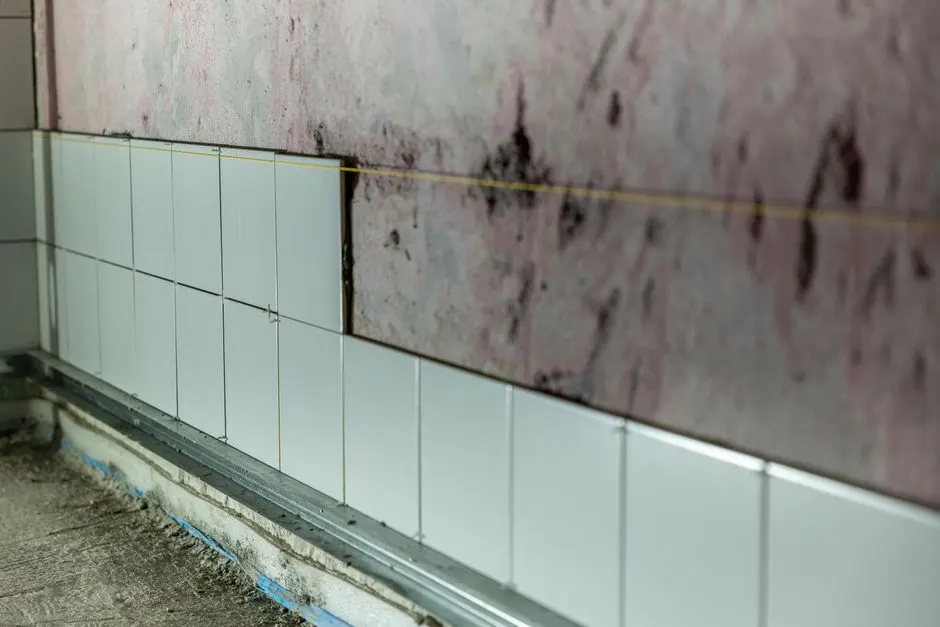
Your house still smells musty after cleaning because the odor is not coming from dirt, dust, or stale air - it is coming from active mold growth hidden inside a wall cavity, under flooring, in your HVAC system, or in a crawl space. Cleaning surfaces removes the smell for a day or two, but the mold colony keeps releasing microbial volatile organic compounds (MVOCs) into the air, and that is what your nose keeps picking up. In West Hills, California, the combination of dry summers, occasional winter rain intrusion, and tightly sealed modern construction creates perfect conditions for hidden mold. This article walks through exactly why the smell returns, where it hides, how to track it down, and when it is time to bring in a professional.
The musty smell is coming from mold you can't see
Why does my house smell musty even after cleaning in West Hills, California? Because the source is almost always mold growing in a place your vacuum, mop, and air freshener never reach. Mold needs three things: moisture, organic material (drywall paper, wood framing, carpet backing, dust), and time. Give it 48 to 72 hours of elevated moisture and it starts colonizing. Once it is established, it produces gases that smell like wet cardboard, old books, or damp earth - the classic musty odor.
That smell is not the mold itself. It is the MVOCs the mold releases as it digests building materials. This matters because it means you can scrub every visible surface in the house and the smell will still come back within hours. The colony is still there, still eating, still off-gassing.
Hidden mold musty smell in West Hills, California is especially common in three scenarios: after a slow plumbing leak that ran behind a cabinet for weeks, after a roof or window leak during the rainy season, and inside HVAC systems where condensation collects on evaporator coils. In all three cases, the visible part of the house looks clean while the actual problem sits behind drywall or inside ductwork.
Why cleaning alone won't kill the smell
Household cleaners, bleach sprays, and vinegar solutions kill mold on contact - but only on the surface they touch. Mold hyphae (root-like structures) grow into porous materials like drywall, wood, and carpet padding. Spraying the surface kills the top layer and leaves the roots alive. Within a week, the colony regrows and the smell returns.
There is a second problem. Most cleaning routines add moisture. Mopping with a wet mop, steam-cleaning carpets, or running a humidifier pushes more water into the exact materials mold likes. If the underlying moisture source - a slow leak, poor ventilation, high indoor humidity - is still active, you are essentially watering the mold every time you clean.
Third, air fresheners and scented candles mask the odor without removing it. They also add fine particles to the air that can irritate sensitive people. The smell comes back the moment the fragrance fades.
What actually works is removing the moisture source, removing the colonized material, and then verifying with testing that spore counts have returned to normal. That is the sequence we follow on every job, and it is why Mold Testing in WEST HILLS, California matters before and after any cleanup.
The most common hidden sources in West Hills homes
Musty smell in house WEST HILLS calls almost always trace back to one of these locations. We have found mold in every one of them across San Fernando Valley homes.
- Behind baseboards and inside wall cavities - where slow supply-line or drain leaks drip undetected for months.
- Under kitchen and bathroom sinks - the cabinet floor stays damp from tiny drips and no one notices until the wood swells.
- Attic sheathing and rafters - especially after roof leaks or when bathroom exhaust fans vent into the attic instead of outside.
- Crawl spaces - where soil stays damp year-round and vapor rises into the subfloor.
- HVAC air handlers and ductwork - condensation on coils feeds mold that then blows spores into every room.
- Carpet padding over concrete slabs - slab moisture wicks up and the padding never fully dries.
- Window frames and exterior door thresholds - where rain intrusion during winter storms soaks into framing.
Musty basement smell WEST HILLS California is less common than in other parts of the country because most local homes do not have true basements, but the equivalent problem shows up in garages, crawl spaces, and lower-level bonus rooms. The mechanics are identical: trapped moisture plus organic material equals mold.
Musty odor from HVAC WEST HILLS California is one of the most frequent calls we get. If the smell is strongest when the system first kicks on, or if it is worse in one or two rooms, the air handler or ductwork is almost certainly the source.
How to find the source of a musty smell
How do I find the source of musty smell in WEST HILLS California? Start with your nose and work outward - the smell is strongest closest to the source. Here is the process we walk homeowners through.
- Do a room-by-room sniff test. Close doors, wait 20 minutes, then walk into each room and note where the odor is strongest. Pay attention to closets, cabinets, and corners.
- Check the HVAC first. Turn the system off for an hour, then turn it on and stand near a supply vent. If the smell surges, the problem is in the system.
- Look for water stains and warped materials. Discolored drywall, bubbling paint, cupped hardwood, and soft baseboards are all signs of hidden moisture.
- Test humidity levels. Indoor relative humidity above 60% supports mold growth. A $20 hygrometer from any hardware store will tell you where you stand.
- Check the attic and crawl space. Look for dark staining on roof sheathing, damp insulation, or a musty smell that gets stronger as you climb or crawl in.
- Bring in a professional for confirmation. A Mold Inspection Near Me in WEST HILLS, California uses moisture meters, thermal imaging, and air sampling to pinpoint the source without tearing the house apart.
If you have already done the sniff test and you are still not sure, do not start cutting drywall. A professional inspection costs a fraction of exploratory demolition and gives you a documented answer.
Does a musty smell always mean mold?
No - but it means mold about 90% of the time in a residential setting. Other causes of a musty odor include damp concrete, old carpet, bacteria growing in a drain pan, or a dead animal in a wall cavity. The way to tell the difference is testing.
Mold spore testing compares indoor air samples to an outdoor baseline. If indoor spore counts are significantly higher, or if you see species that should not be indoors (like Stachybotrys or Chaetomium), you have a mold problem. If counts are normal, the smell is coming from something else and you can stop worrying about remediation.
For homes where we suspect toxic species, we recommend Black Mold Inspection in WEST HILLS, California because Stachybotrys requires a different remediation protocol than common Cladosporium or Penicillium. It is not something to guess at.
Common mistakes that make it worse
House smell removal WEST HILLS homeowners try on their own often backfires. These are the mistakes we see most often.
- Painting over moldy drywall. Paint traps moisture against the mold and the stain bleeds through within months.
- Running a humidifier to "freshen" the air. This adds the exact moisture mold needs.
- Using bleach on porous surfaces. Bleach cannot penetrate drywall, wood, or carpet padding. It kills the surface and leaves the roots.
- Ignoring a slow leak because it "dries out." Water behind a wall does not dry in a sealed cavity. It stays for months.
- Closing up the house to save on AC. Without air exchange, humidity climbs and mold thrives.
- Removing visible mold without fixing the moisture source. The mold comes back in 4 to 8 weeks, every time.
One more: do not run a shop vac over moldy material. Standard vacuums blow fine spores back into the air and spread contamination to other rooms. HEPA filtration and containment are non-negotiable once mold is disturbed.
When to call a professional
Call a professional when the musty smell returns within a week of cleaning, when you can see discoloration larger than about 10 square feet, when anyone in the house has new allergy or respiratory symptoms, or when the smell is strongest in a room with no obvious water source. Those four signals point to hidden mold that DIY cleaning cannot fix.
We handle this every week across the West Hills area. Our team locates the moisture source, contains the affected area, removes colonized materials, and verifies with post-remediation testing that spore counts are back to normal. If you want a clear answer before you spend money on guesswork, start with a Certified Mold Inspector in WEST HILLS, California who can document what is actually growing and where.
For larger jobs - attic sheathing, crawl spaces, or HVAC systems - we bring in specialized equipment. Attic mold remediation WEST HILLS projects often require Attic Mold Testing And Removal in WEST HILLS, California because roof decking and insulation have to be handled differently than interior drywall. Crawl spaces get a similar treatment with vapor barriers and encapsulation.
Typical 2026 pricing in this area runs $250 to $600 for a professional inspection with lab testing, and $1,500 to $6,500 for remediation depending on square footage and material type. Emergency calls after a water event cost more because containment and drying equipment run longer.
Frequently Asked Questions
Why does my house still smell musty after cleaning in WEST HILLS California?
Because the mold is growing in a hidden space - inside a wall, under flooring, in the attic, or in the HVAC system - and cleaning only touches surfaces. The colony keeps releasing odor compounds until the moisture source is fixed and the colonized material is removed. Surface cleaning buys you 1 to 3 days at most.
Can mold cause musty smell in WEST HILLS?
Yes. Mold produces microbial volatile organic compounds (MVOCs) as it digests building materials, and those compounds are what you smell. Common indoor species like Aspergillus, Penicillium, and Cladosporium all produce the classic musty odor. If the smell is present, mold is the most likely cause.
How do I find the source of musty smell in WEST HILLS California?
Do a room-by-room sniff test with doors closed, check the HVAC by running the system and standing near a vent, and look for water stains, warped wood, or soft drywall. If those steps do not find it, a professional inspection with moisture meters and air sampling will pinpoint the source in 1 to 2 hours.
Does musty smell always mean mold in WEST HILLS?
No, but it means mold roughly 90% of the time indoors. Other causes include damp concrete, old carpet, bacteria in a drain pan, or a dead animal in a wall. Air sampling compared to an outdoor baseline is the only way to know for certain. Testing takes about 45 minutes on site plus 1 to 2 days for lab results.
How much does mold remediation cost in WEST HILLS in 2026?
Inspection and testing typically run $250 to $600. Remediation for a small area (under 30 square feet) runs $1,500 to $3,000. Larger jobs involving attic, crawl space, or HVAC systems run $3,000 to $6,500 or more. Post-remediation clearance testing adds $200 to $400.
Get help with Mold Remediation Service in WEST HILLS
If the musty smell keeps coming back, the problem is not your cleaning routine - it is hidden mold that needs to be found, removed, and verified. Our team at Mold Remediation Service handles inspections, testing, remediation, and clearance testing for homeowners across West Hills and the surrounding San Fernando Valley.
Call us at (833) 929-5837 to schedule an inspection. We will tell you exactly what is causing the smell, what it will cost to fix, and how long it will take - before any work begins.