Musty odor with no visible mold
We use a thermal imaging camera and borescope camera to find the hidden source, then confirm with air sampling. Once we know where it is, we can tell you whether it's a small removal job or a bigger moisture fix.
When you need a Certified Mold Inspector in WEST HILLS, California, we show up with meters, cameras and lab kits, not guesswork. We inspect attics, crawl spaces, bathrooms and HVAC systems, document what we find, and hand you a clear report you can act on. Whether you smell something musty or you're closing a sale, we give you straight answers.
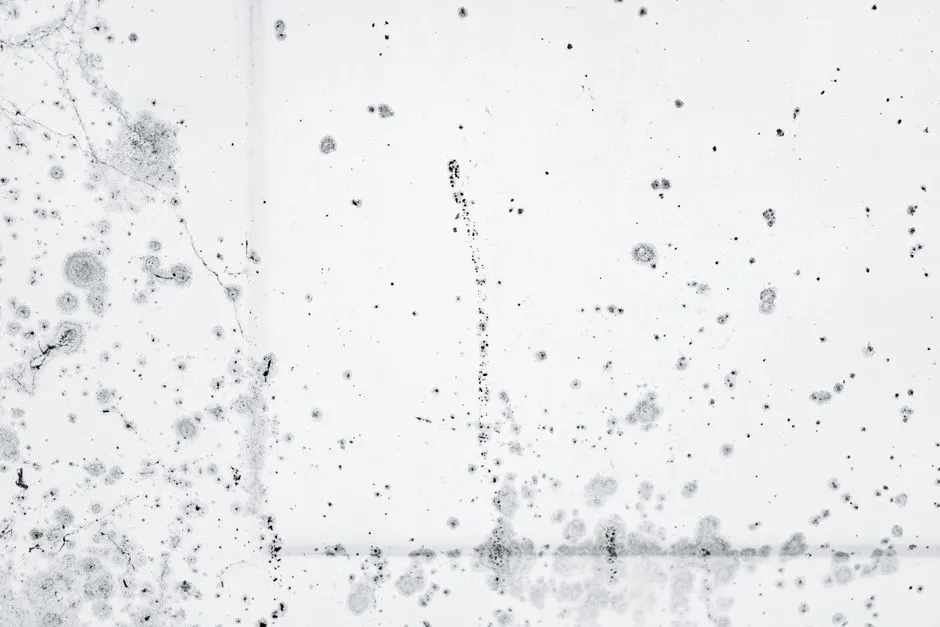
A Certified Mold Inspector in WEST HILLS, California is a trained, credentialed professional who locates mold growth, identifies the moisture source feeding it, and documents both with lab-backed evidence. We use a moisture meter and thermal imaging camera to find hidden water, a borescope camera to look inside wall cavities, and air sampling to measure spore counts. You get photos, readings and a written report, not a sales pitch.
West Hills homes deal with real moisture problems. Winter rain drives water into crawl spaces and under stucco, and summer AC condensation feeds attic mold you never see. If you're searching for a licensed mold assessor near me WEST HILLS, we inspect the whole building, not just the visible spot. We check for musty odors, water damage mold and HVAC mold contamination so you know exactly what you're dealing with before anyone quotes repairs.
Every inspection covers the full building envelope, not just the room where you noticed a problem. Lab fees and the written report are part of the quote. Remediation is quoted separately if you want it, and you're free to take the report and shop around.
We inspect the attic, crawl space, basement, bathrooms, kitchen, laundry and HVAC system. Every room gets checked for staining, warping, efflorescence and musty odors. We photograph anything suspicious and note its location in the report.
A moisture meter and thermal imaging camera reveal wet drywall, saturated insulation and hidden leaks. We mark each reading on a floor plan so you can see exactly where the problem sits. A borescope camera lets us check inside wall cavities without cutting them open.
We collect air samples from affected rooms plus one outdoor control, and surface samples from visible growth. Samples ship to an accredited lab the same day. Results return in 24 to 48 hours with spore counts and species identified.
You get a report that includes every photo, every moisture reading, lab results and a plain-language summary. It's formatted for real estate, insurance and post-remediation clearance. Most reports go out within 24 hours of sampling.
We don't just email a PDF. We walk you through what we found, what it means and what your options are. If remediation is needed, we'll explain the scope. If it's just a drying job, we'll tell you that too.
You call (833) 929-5837 and tell us what you're seeing or smelling. We ask about water history, recent leaks and where the problem shows up. We book a same-day or next-day window and tell you what to do before we arrive, like leaving the HVAC off and keeping the area undisturbed.
We start with a full exterior and interior walk. We check the attic, crawl space, bathrooms, kitchen, laundry and any room with a water history. We look for staining, warping, efflorescence and that telltale musty odor. This usually takes 30 to 45 minutes.
We run a moisture meter across suspect walls, floors and ceilings, then confirm with a thermal imaging camera. A borescope camera lets us peek inside wall cavities without tearing them open. We mark wet zones and photograph each reading so you can see exactly where the problem sits.
We set air samples for the rooms in question plus one outdoor control. Surface samples come from visible growth. Samples go to an accredited lab and results return in 24 to 48 hours. This is the step that turns a suspicion into documented evidence.
You get a written report with photos, moisture readings, lab results and a plain-language summary. We walk you through it and tell you what needs remediation, what just needs drying, and what you can monitor. No pressure, no upsell, just the facts.
Purpose-built equipment, used by trained technicians — so the job is done accurately the first time.
Pin and pinless meters measure water content in drywall, wood and concrete. They tell us exactly how wet a material is and whether it's still drying.
Infrared cameras reveal temperature differences that point to hidden moisture behind walls, under floors and above ceilings. It's how we find leaks without tearing anything open.
A thin camera on a flexible cable lets us look inside wall cavities, ductwork and crawl spaces. We confirm growth and photograph it without cutting access holes.
During remediation, these machines maintain negative pressure and filter airborne spores through HEPA filters so contamination doesn't spread to clean areas.
HEPA vacuums capture mold spores and debris at 99.97 percent efficiency at 0.3 microns. We use them on every surface before applying any treatment.
A fogger applies a fine mist of antimicrobial solution to reach ductwork, ceiling voids and other surfaces that can't be wiped by hand.
Dry ice pellets lift mold off framing and hard surfaces without water or chemicals. It's fast, leaves no residue and is ideal for structural lumber.
A West Hills home was under contract when the buyer's inspector flagged dark staining on the attic decking. The seller had no idea there was a problem. The deal was at risk and the closing date was two weeks out.
We inspected the attic, confirmed mold growth with air and surface sampling, and documented the extent. Remediation removed affected decking and insulation, HEPA vacuumed the space and treated the framing. Post-remediation testing cleared the attic in 48 hours. The deal closed on schedule.
A homeowner near Bell Canyon noticed a musty smell in the living room that got worse after winter storms. The crawl space had standing water, saturated insulation and visible mold on the joists. It had been that way for at least two seasons.
We pumped out the standing water, removed affected insulation, HEPA vacuumed the joists and treated the framing with an antimicrobial coating. Encapsulation materials sealed the ground and foundation walls. Air sampling confirmed spore counts dropped to normal levels within a week.
A property manager in Warner Center had three tenants complaining about a musty odor that seemed to move between units. The shared HVAC system was the suspected source but nobody had confirmed it. Tenants were threatening to break leases.
We inspected the shared system, found mold growth on the evaporator coil and duct lining, and sampled the air in all three units. Remediation cleaned the coil, replaced affected duct sections and fogged the system. Post-remediation testing cleared all three units. The complaints stopped.
Most mold calls come down to one of a few scenarios. Here's what we see in West Hills and how we handle each one.
Ask a pro →We use a thermal imaging camera and borescope camera to find the hidden source, then confirm with air sampling. Once we know where it is, we can tell you whether it's a small removal job or a bigger moisture fix.
We trace the moisture back to its source with a moisture meter, document the extent of the wet zone, and sample the area. You get a clear picture of what needs drying, what needs removal and what caused it.
We inspect the crawl space, measure moisture in the joists and subfloor, and sample the air. If growth is confirmed, our remediation crew removes affected insulation, treats the framing and installs encapsulation materials.
We inspect the attic decking and insulation, sample the air and document the extent. If remediation is needed, we remove affected material with HEPA vacuuming and air scrubbing, then recommend ventilation fixes to prevent a repeat.
Look for IICRC certification and ACAC certification, plus EPA lead-safe certification if your home was built before 1978. A California contractor license and OSHA safety training are also good signs. These credentials mean the inspector has been trained on moisture science, sampling protocol and safe work practices. Ask for the credential names, not just the word certified.
Ask for their certification body and check it directly. IICRC and ACAC both maintain public directories you can search by name. You can also ask for their California contractor license number and look it up on the state board site. A legitimate inspector will hand over that information without hesitation. If they dodge the question, keep looking.
Most residential inspections in West Hills run $300 to $650 in 2026, depending on square footage and how many samples we collect. A basic single-room check sits at the low end. A full-home inspection with multiple air samples and a written clearance report sits higher. Lab fees are usually included in the quote, so ask upfront.
A licensed mold assessor inspects the building, identifies mold growth and the moisture feeding it, collects air and surface samples, and delivers a written report with lab results. They don't do the cleanup, which keeps the assessment independent. That report tells you what needs remediation, what just needs drying, and what you can leave alone.
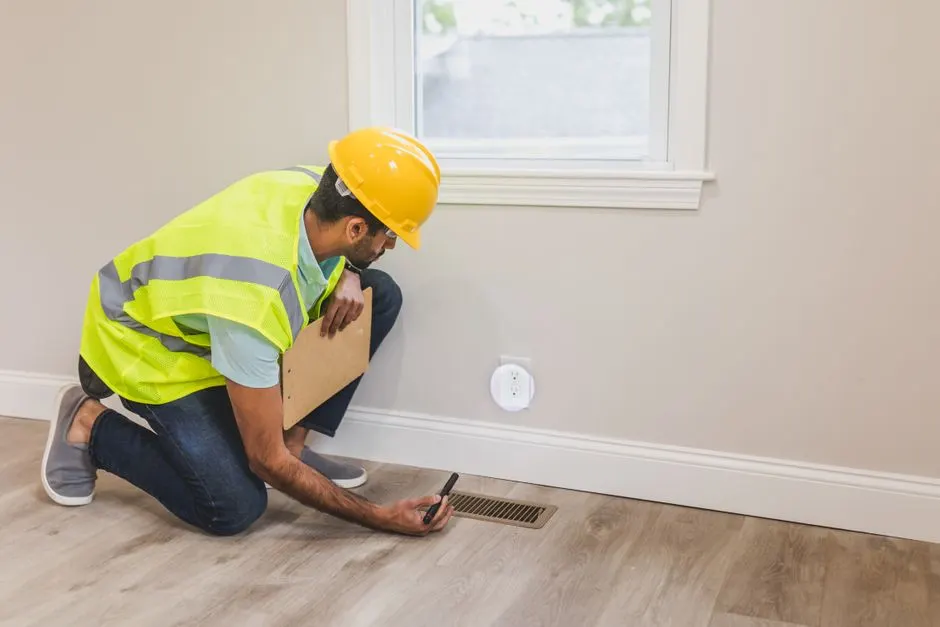 Mold Inspection Near MeIf you're searching for mold inspection near me in West Hills, this is the starting point. We walk the property, map moisture and document what we find so you know whether you're dealing with a spot or a system-wide problem.Explore →
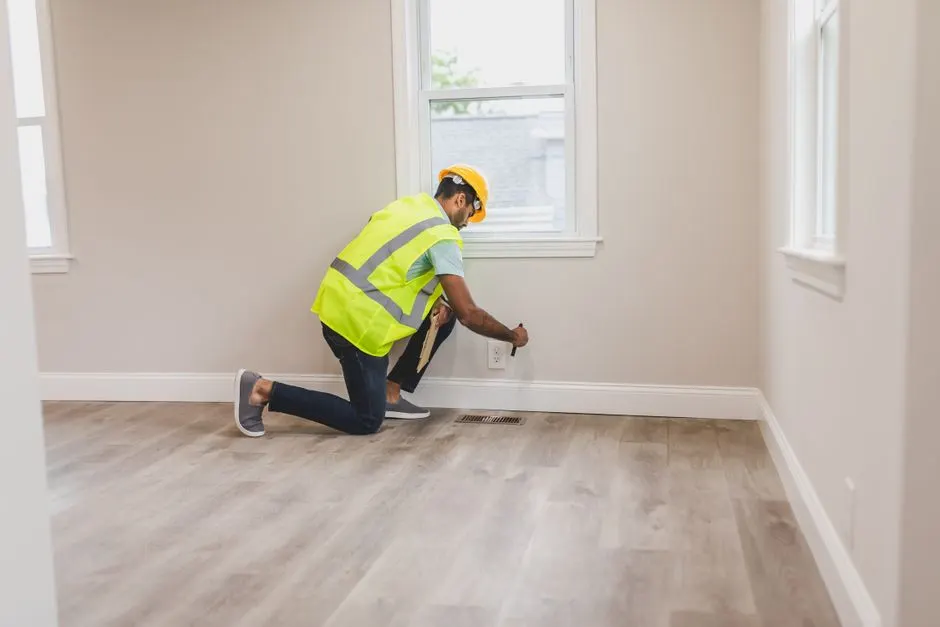 Mold InspectionA full mold inspection covers attic, crawl space, bathrooms, kitchen and HVAC. We use moisture meters and thermal imaging to find hidden growth, then confirm with lab sampling. Most West Hills homes take two to four hours.Explore →
 Mold TestingMold testing measures spore counts inside against an outdoor baseline. We collect air and surface samples and send them to an accredited lab. Results come back in 24 to 48 hours with species identified so you know what you're breathing.Explore →
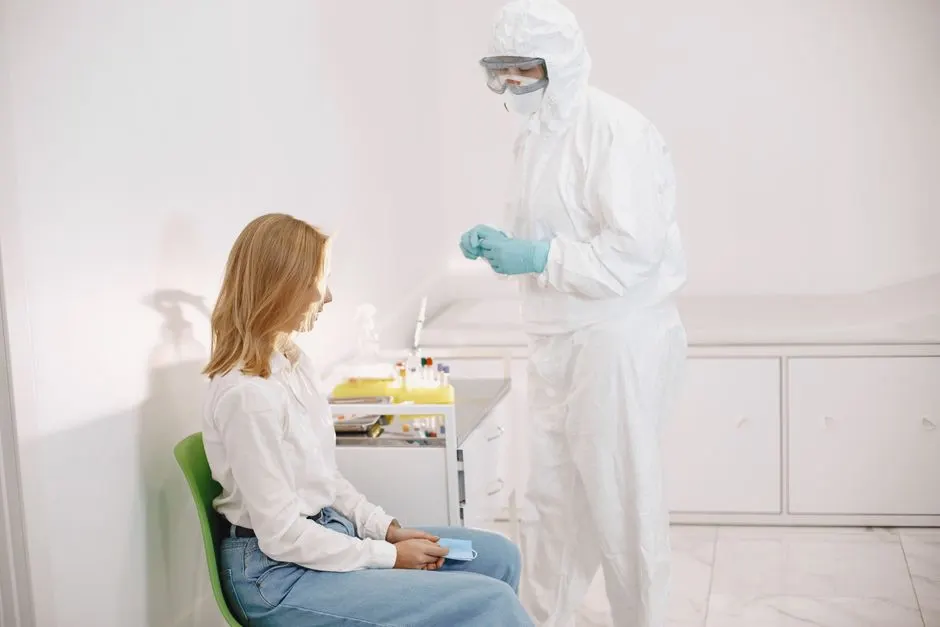 Mold Testing Near MeWhen you need mold testing near me in West Hills, we schedule same-day or next-day windows. Samples go out the same afternoon and results return fast. It's the quickest way to turn a suspicion into a documented answer.Explore →Black Mold InspectionBlack mold infestation needs confirmation, not panic. We inspect the suspect area, sample it and identify the species. If it's Stachybotrys, we tell you. If it's a harmless surface stain, we tell you that too, and save you a remediation bill.Explore →
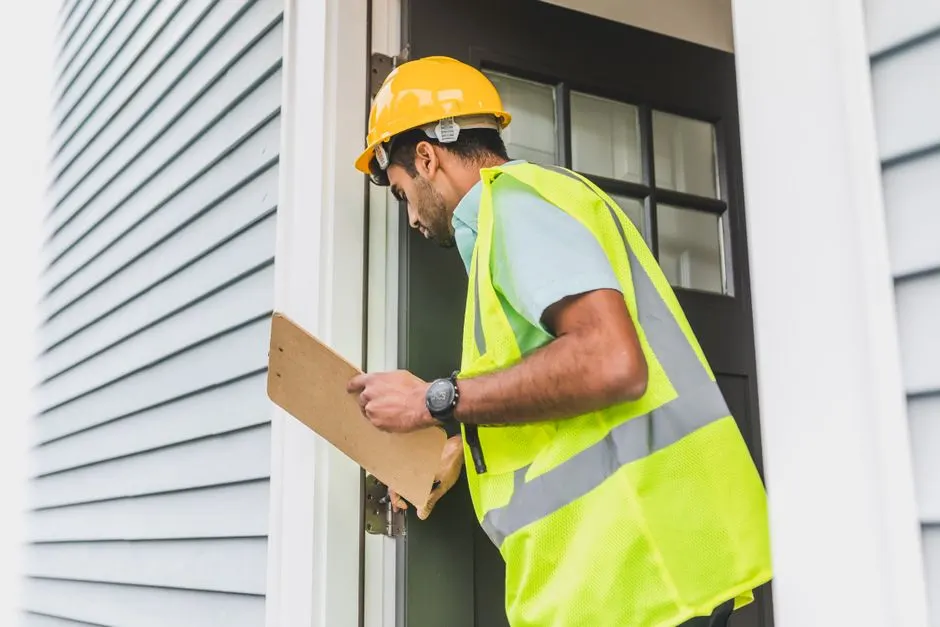 Home Mold InspectionA home mold inspection covers every room, the attic, the crawl space and the HVAC system. We check for musty odors, water staining and hidden moisture. You get a room-by-room report with photos and readings you can hand to a buyer or insurer.Explore →
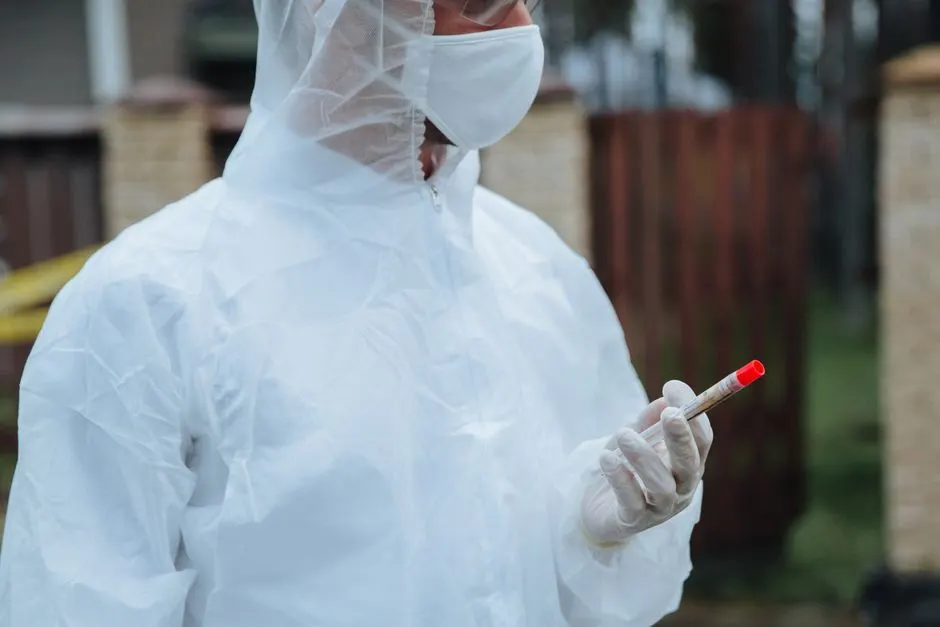 Residential Mold TestingResidential mold testing is built for families dealing with allergies, odors or a recent leak. We sample the air in living spaces and compare it to outdoor levels. If counts are elevated, we tell you where and why.Explore →
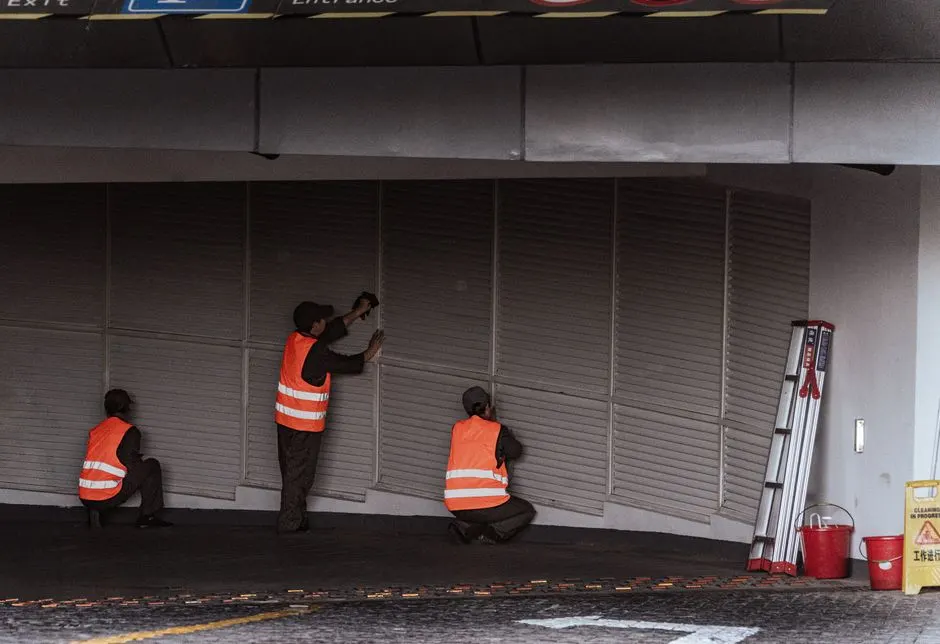 Commercial Mold InspectionCommercial mold inspection covers offices, retail, warehouses and multi-unit buildings. We work around your hours to avoid disrupting tenants. Reports are formatted for property managers and insurers, with clear photos and moisture data.Explore →
If you smell something musty or you've had a leak, don't wait. We're licensed, insured and ready to inspect today. Call (833) 929-5837 and we'll book a same-day or next-day window.
Book Inspection (833) 929-5837 →Call us at (833) 929-5837 or send an email to schedule your free mold inspection. We answer the phone 24/7 for emergency calls and return non-urgent messages within one business day. Our office is in West Hills, California, and we serve the surrounding communities including Bell Canyon, Hidden Hills, Woodland Hills, Canoga Park, and Northridge.