Lab-backed home mold sampling with same-day appointments

Residential Mold Testing in WEST HILLS, California

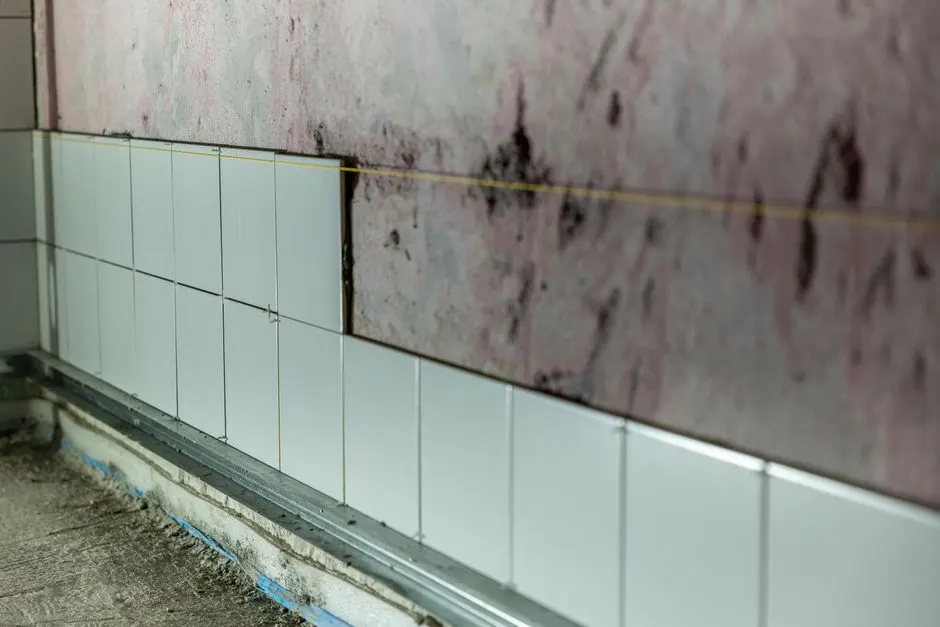
Residential Mold Testing in WEST HILLS, California is the fastest way to find out whether the musty smell in your hallway is mold or just old carpet. Our certified inspectors sample air, surfaces, and wall cavities, then send everything to an accredited lab. If you have had water damage, a leaky roof, or a bathroom that never dries out, book home mold sampling in WEST HILLS before the problem spreads.

↗
Fast online booking

Request service today

Tell us what is happening. Our local team will confirm your visit shortly.

No spam. No obligation. Just practical help.
Thanks — we'll call shortly to confirm your visit.
Residential Mold Testing you can count on
Careful work. Honest options.
About this service

What Residential Mold Testing in WEST HILLS Covers

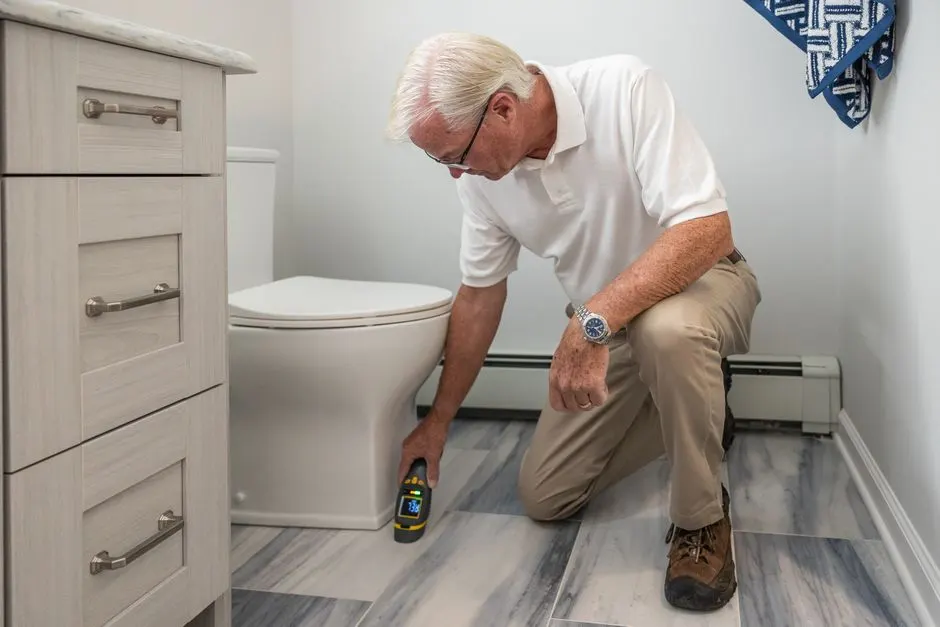
Residential Mold Testing in WEST HILLS, California is a diagnostic service that measures mold spores, moisture, and hidden growth inside a home. We use a moisture meter and thermal imaging camera to map wet zones, then collect air and surface samples with a borescope camera for wall cavities and crawl spaces. Samples go to an accredited lab, and you get a written report with spore counts, species identification, and a clear yes-or-no on whether remediation is needed.

West Hills homes sit in a climate that swings from dry Santa Ana winds to cool, damp winters, and that cycle pushes moisture into attics, crawl spaces, and bathroom ceilings. If you have had a slab leak, a roof leak after a storm, or a slow drip under the kitchen sink, house mold testing WEST HILLS gives you a documented answer instead of a guess. We also handle residential mold testing for apartment WEST HILLS California units, where shared walls and HVAC systems spread spores between neighbors.

  • ✓ Find Hidden Growth Fast
  • ✓ Lab-Verified Spore Counts
  • ✓ Protect Your Family's Health
  • ✓ Documentation for Insurance
What's included

What Is Included in Residential Mold Testing

Every residential mold testing appointment includes a full visual inspection, moisture readings, thermal imaging, and at least two lab samples. If we find visible growth, we add surface samples at no extra charge. Remediation work is quoted separately, and we only recommend it when the lab results support it.

✓

Full Visual Inspection

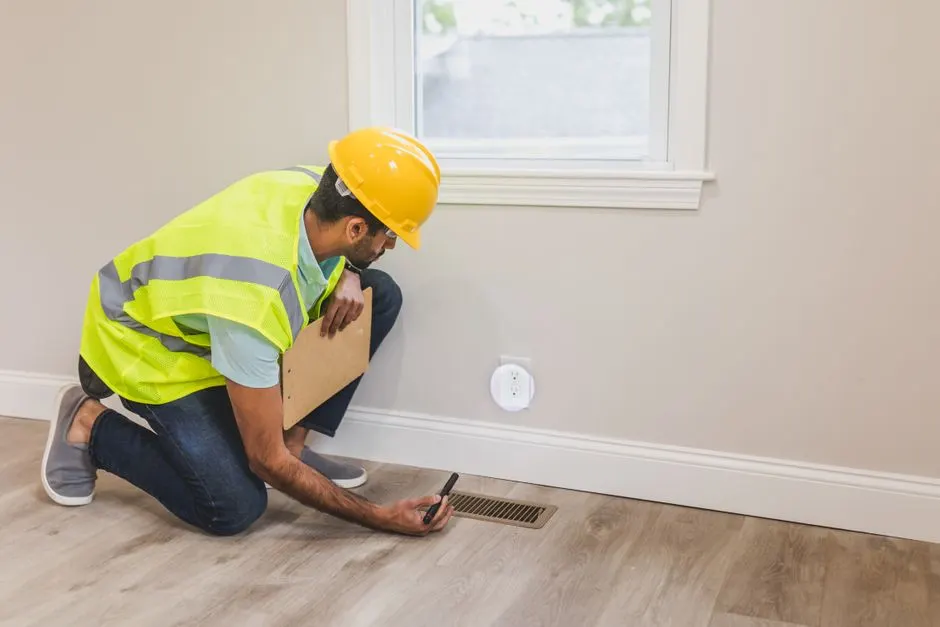
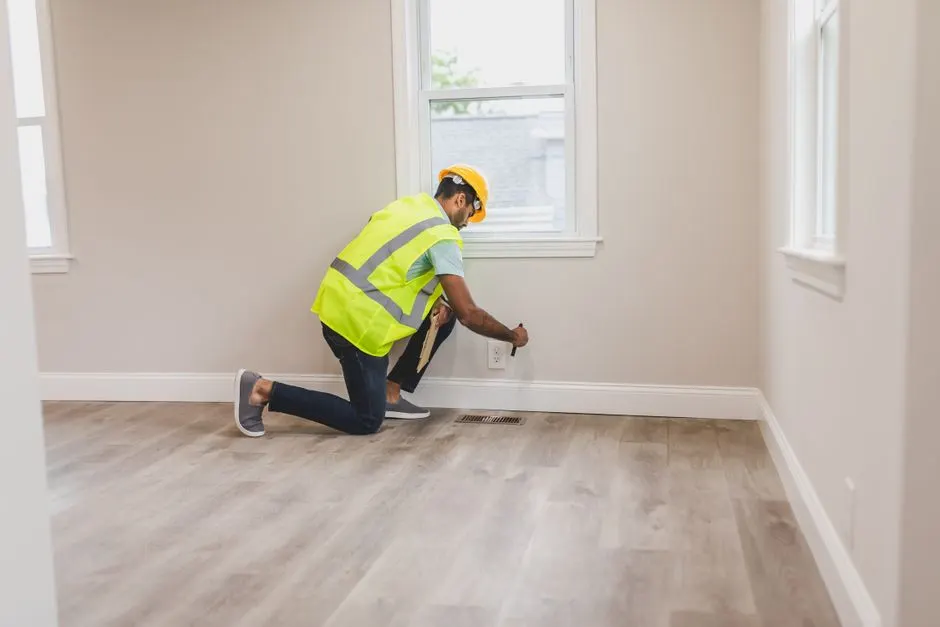
We walk the entire home, including attic, crawl space, basement, bathrooms, kitchen, and HVAC closet. Every moisture source, discoloration, and musty odor gets documented with photos and notes. This usually takes 45 to 75 minutes depending on square footage.

✓

Moisture Meter Readings

A calibrated moisture meter tells us exactly how wet drywall, framing, and subfloor are. We take readings at multiple points and compare them to normal levels for the material. Anything above 16 percent on wood framing is flagged as a potential mold risk.

✓

Thermal Imaging Scan

A thermal imaging camera shows temperature differences that reveal hidden moisture behind walls and under floors. We scan every room and document anomalies. This is how we find leaks that have not yet shown up as stains or bubbling paint.

✓

Air and Surface Samples

We collect air samples with a calibrated pump and surface samples with sterile swabs. Samples are labeled, sealed, and shipped to an accredited lab the same day. Standard reports include species identification and spore counts per cubic meter.

✓

Written Lab Report

You get a written report with raw lab data, photos, moisture readings, and a plain-English summary. The report is formatted for insurance claims, real estate transactions, and landlord-tenant disputes. We also walk you through it by phone.

How it works

How Our Mold Testing Process Works

01

Phone Intake

You call (833) 929-5837 and tell us what you are seeing or smelling. We ask about recent water damage, roof leaks, HVAC issues, and how long the problem has been going on. Most calls take 5 to 10 minutes, and we book a same-day or next-day appointment whenever the schedule allows.

02

On-Site Inspection

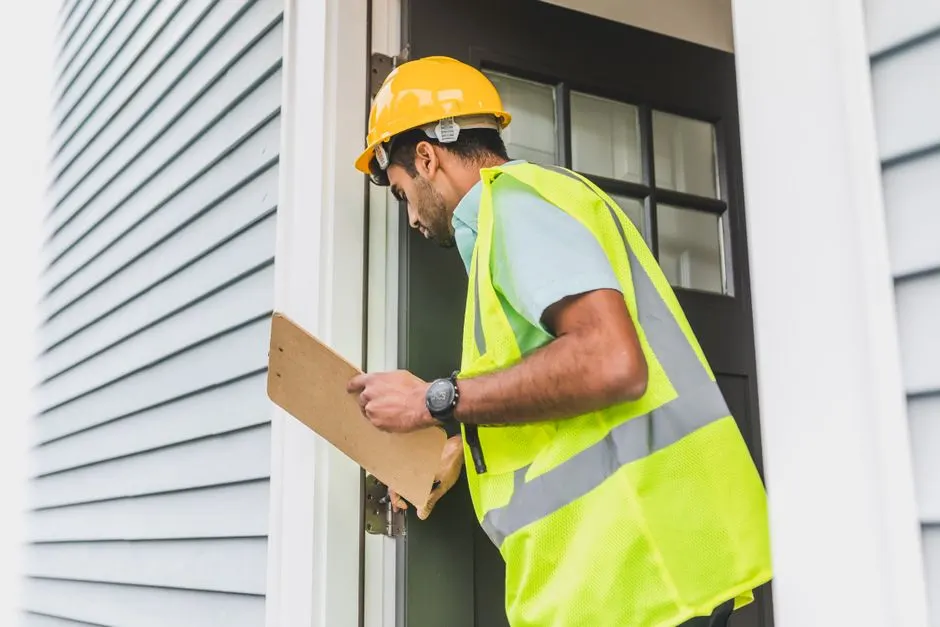
A certified inspector walks the home with a moisture meter and thermal imaging camera, checking attics, crawl spaces, bathrooms, and under sinks. We look for musty odors, discolored drywall, and condensation on windows. This walkthrough usually takes 45 to 75 minutes depending on square footage.

03

Sample Collection

We collect air samples with a calibrated pump and surface samples with sterile swabs. If we suspect hidden growth, we use a borescope camera to look inside wall cavities without cutting drywall. Each sample is labeled, sealed, and shipped to the lab the same day.

04

Lab Analysis

The lab cultures and analyzes every sample, identifying mold species and counting spores per cubic meter. Turnaround is typically 24 to 48 hours, and rush options are available. You get a written report with raw numbers, not just a pass or fail.

05

Results Walkthrough

We call you when the report lands, walk through what each number means, and tell you whether remediation is needed. If it is, we can schedule mold remediation near me services or refer you to a trusted contractor. If it is not, you get that in writing too.

Tools & methods

Tools and Methods We Use

Purpose-built equipment, used by trained technicians — so the job is done accurately the first time.

Moisture Meter

Measures moisture content in drywall, wood framing, and subfloor. Readings above 16 percent on wood indicate a mold risk and get flagged in the report.

Thermal Imaging Camera

Reveals temperature differences that point to hidden moisture behind walls, under floors, and around windows. It is how we find leaks before they show up as stains.

Borescope Camera

Lets us look inside wall cavities and crawl spaces without cutting drywall. We use it to confirm growth in areas that are otherwise inaccessible.

Air Sampling Pump

Draws a calibrated volume of air through a spore trap cassette. Samples are shipped to an accredited lab for species identification and spore counts.

HEPA Vacuum

Captures mold spores and fine debris during remediation. HEPA filters trap particles down to 0.3 microns, which keeps spores from spreading to clean areas.

Air Scrubber

Runs continuously during remediation to filter airborne spores. We pair it with a negative air machine to keep containment under negative pressure.

Negative Air Machine

Pulls air out of the containment zone and exhausts it through a HEPA filter. This keeps spores from migrating into the rest of the home during removal.

Real results

Before and after.

Attic Mold After Winter Roof Leak

Before

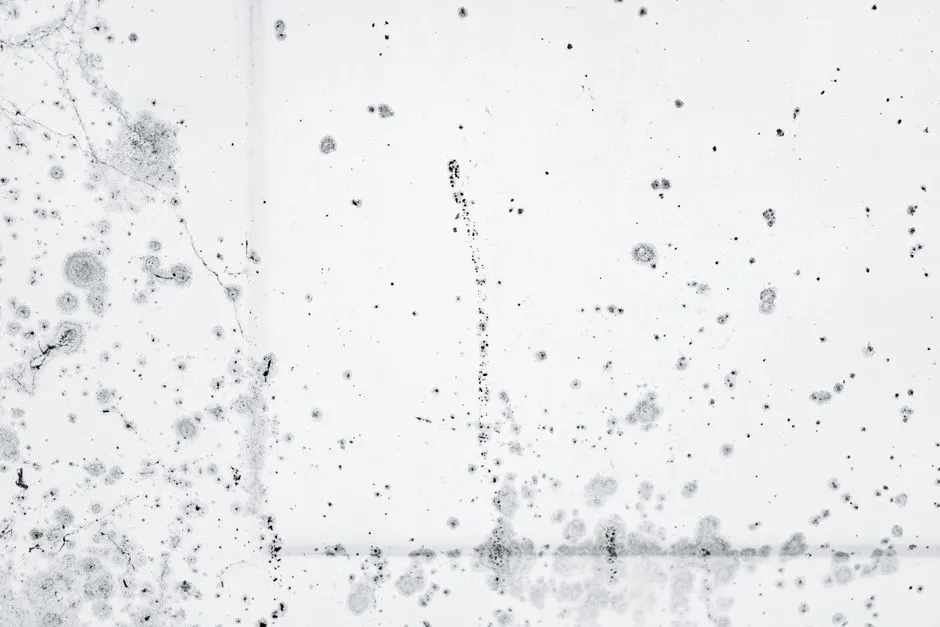
A homeowner near Fallowfield noticed a musty smell in the upstairs hallway but could not find any visible mold. A roof leak from the previous winter had been slowly feeding growth on the attic sheathing for months.

After

We confirmed active growth with attic mold testing, then removed affected sheathing, treated the framing with antimicrobial coatings, and replaced damaged insulation. Post remediation mold testing showed spore counts back to outdoor baseline levels.

Bathroom Ceiling Mold in a Condo

Before

A Warner Center condo owner had recurring mold on the bathroom ceiling that came back every few months despite cleaning. The unit shared a wall with a neighbor, and the exhaust fan was undersized for the square footage.

After

We sampled the air and confirmed elevated spores, then removed the affected drywall and treated the framing. The owner upgraded the exhaust fan, and a follow-up test 30 days later showed normal spore levels.

Crawl Space Mold Spreading Upstairs

Before

A home near Bell Canyon had a musty odor in the living room that got worse in winter. The crawl space had no vapor barrier, and moisture from the soil was feeding mold on the floor joists and subfloor.

After

We removed affected materials, treated the joists, and installed a full vapor barrier and encapsulation. Air samples taken after the job showed spore counts dropped by more than 80 percent compared to the initial test.

Problems we solve

Mold Problems We Solve in West Hills

Most mold calls start with a smell, a stain, or a health symptom. Here are the most common problems we run into and how we handle them.

Ask a pro →
01

Musty odor with no visible mold

We use a thermal imaging camera and borescope camera to locate the moisture source, then collect air samples to confirm whether spores are elevated. If growth is active, we outline a remediation plan with containment and HEPA filtration.

↗
02

Water damage from a roof or slab leak

We inspect the affected area, measure moisture content, and sample for mold. If growth is confirmed, we remove affected drywall and insulation, treat framing with antimicrobial coatings, and verify the job with post remediation mold testing.

↗
03

Bathroom ceiling mold that keeps coming back

We test the ceiling and surrounding walls, identify the moisture source, and recommend a fix. If removal is needed, we contain the area, remove affected drywall, and treat surfaces with products like Concrobium or Benefect.

↗
04

Crawl space mold spreading to living areas

We inspect joists, subfloor, and ductwork, then sample the air in both the crawl space and living areas. If growth is active, we remove affected materials, install a vapor barrier, and encapsulate the space to prevent recurrence.

↗
Proof you can check

Licensed, Certified, and Insured

✓
IICRC CertificationInstitute of Inspection, Cleaning and Restoration Certification
✓
ACAC CertificationAmerican Council for Accredited Certification
✓
EPA Lead-Safe CertificationU.S. Environmental Protection Agency
✓
OSHA Safety TrainingOccupational Safety and Health Administration
✓
California Contractor LicenseCalifornia Contractors State License Board
Good questions

Frequently Asked Questions About Mold Testing

(833) 929-5837 →

Most residential mold testing in WEST HILLS California runs $250 to $650 depending on home size and how many samples you need. A standard 2-sample air test for a 1,500-square-foot home typically lands around $350. Additional samples, crawl space inspections, and rush lab turnaround add to the total. We quote the full price before we book, so there are no surprises.

Lab results come back in 24 to 48 hours for standard turnaround, and rush options can cut that to 12 to 24 hours. Air samples need time to culture, so same-day results are not realistic. We call you the moment the report lands and walk you through the numbers so you know exactly what you are dealing with.

Home mold sampling in WEST HILLS California includes a full visual inspection, moisture meter readings, thermal imaging scans, air samples, and surface samples where growth is visible. You get a written lab report with species identification and spore counts, plus a phone walkthrough. If remediation is needed, we provide a scope of work you can hand to any contractor.

Yes. We test rental units, apartments, and single-family rentals across West Hills. Landlords often book the test to document conditions, and tenants book it when they suspect a hidden leak or ongoing moisture issue. Reports are written for both sides, so they hold up if the situation escalates to a deposit dispute or a habitability complaint.

Ready when you are

Book Residential Mold Testing in WEST HILLS, California

If you smell something musty, see discolored drywall, or just went through a water leak, do not wait. Call (833) 929-5837 and we will schedule an inspector, collect samples, and get you lab results in 24 to 48 hours. Upfront pricing, no surprises.

Book Inspection (833) 929-5837 →
Request an appointment

Contact Our West Hills Mold Team

Call us at (833) 929-5837 or send an email to schedule your free mold inspection. We answer the phone 24/7 for emergency calls and return non-urgent messages within one business day. Our office is in West Hills, California, and we serve the surrounding communities including Bell Canyon, Hidden Hills, Woodland Hills, Canoga Park, and Northridge.

Request received — our team will be in touch shortly.
Tap to call(833) 929-5837