Musty odor with no visible source
We use a thermal imaging camera and moisture meter to trace the odor to its source, then confirm with air sampling and a borescope camera. Once we know where it is, we quote the fix.
A Home Mold Inspection in WEST HILLS, California is the fastest way to find out whether that musty smell, ceiling stain, or crawl space discoloration is actually mold. We inspect every room, attic, and crawl space with moisture meters and thermal imaging, then confirm findings with lab testing. If you have been searching for a residential mold assessment WEST HILLS homeowners rely on, we get you answers the same day you call.
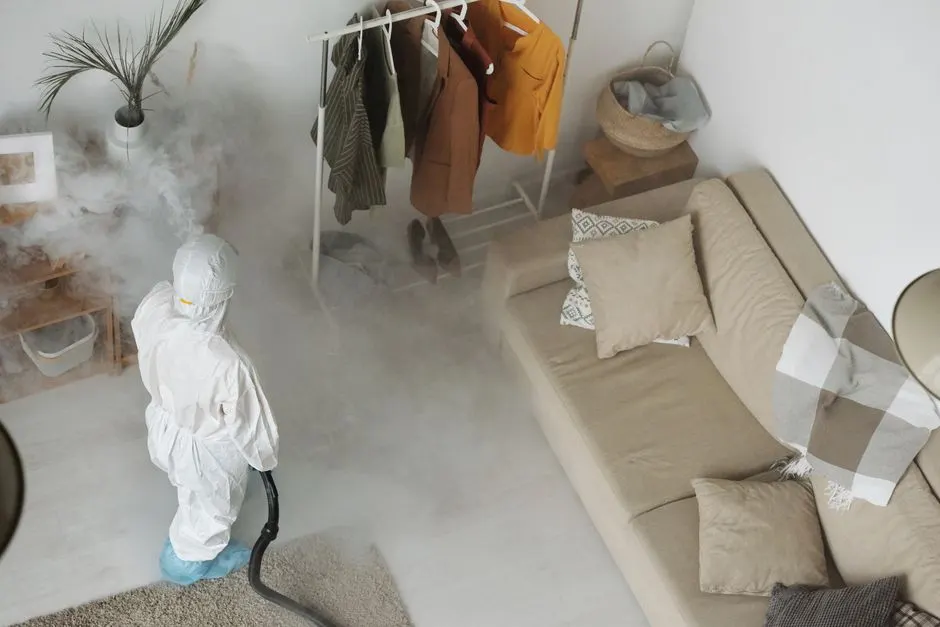
A Home Mold Inspection in WEST HILLS, California is a top-to-bottom evaluation of your property for active mold growth, moisture intrusion, and conditions that feed it. We start at the roof line and work down: attic sheathing, insulation, HVAC plenums, bathroom ceilings, kitchen cabinets, and the crawl space under the house. We use a moisture meter and thermal imaging camera to find wet spots behind drywall without tearing anything open, then a borescope camera to look inside wall cavities. Air samples and surface swabs go to a certified lab, and you get a written report with photos and lab results.
West Hills sits in a pocket where canyon winds, mature oak canopy, and older 1960s-70s tract homes combine to trap moisture in places homeowners never check. Attic mold after a roof leak, crawl space mold from poor drainage, and bathroom ceiling mold behind a slow exhaust fan are three of the most common calls we run. If you have been looking for a residential mold assessment near me WEST HILLS, our inspectors know exactly where this neighborhood hides its problems and how to prove what is growing before it spreads.
Every inspection includes the full walkthrough, moisture mapping, thermal imaging, and lab sampling. If we find mold, we quote the remediation separately so you can decide what to do next without pressure. Here is what you get on every job.
We inspect every accessible area: attic, crawl space, basement, bathrooms, kitchen, laundry, HVAC closets, and the exterior envelope. Roof penetrations, window flashing, and grading are all checked for water entry points.
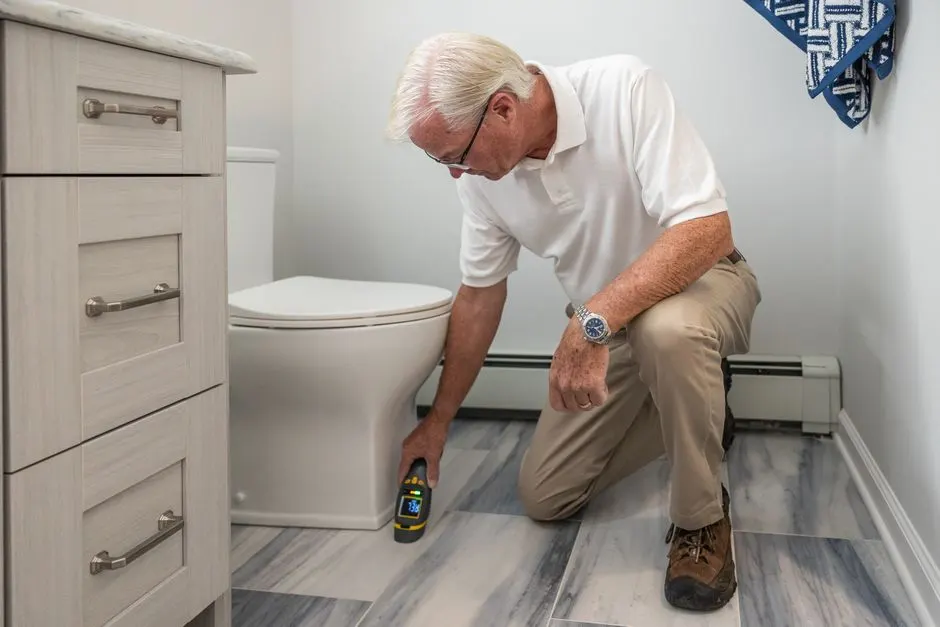
A moisture meter and thermal imaging camera map wet spots behind walls, under floors, and above ceilings. This is how we find hidden moisture without cutting into your drywall.
A borescope camera goes into wall cavities and behind baseboards to look for growth that is not visible from the surface. It is the difference between guessing and knowing.
We collect air samples inside and outside the home plus surface swabs from any visible growth. Samples go to an accredited lab for species identification and spore counts.
You get a documented report with photos, moisture readings, lab results, and a clear scope of recommended next steps. It is written to satisfy insurers, realtors, and lenders.
If remediation is needed, we provide a written scope with pricing. If it is not, we tell you that and give you maintenance steps to keep moisture under control going forward.
You call (833) 929-5837 and tell us what you are seeing or smelling. We ask about water history, roof leaks, recent plumbing work, and any visible discoloration. That five-minute conversation lets us bring the right equipment and plan the inspection around your specific concern.
Our certified inspector walks the property with you, starting at the exterior and working inward. We check grading, roof penetrations, window flashing, and every water source. Then we move through the interior, room by room, paying close attention to bathrooms, kitchens, laundry areas, and any wall that backs up to plumbing.
We run a moisture meter across walls, floors, and ceilings, then confirm readings with a thermal imaging camera. A borescope camera goes into wall cavities and behind baseboards where we suspect hidden growth. This is where we find the wet spots that a visual inspection misses.
We collect air samples from inside and outside the home for comparison, plus surface swabs from any visible growth. Samples go to an accredited lab. This step is what turns a suspicion into documented, defensible evidence of what is actually growing in your home.
You get a written report with photos, moisture readings, lab results, and a clear scope of what needs to happen next. If remediation is needed, we walk you through the options and pricing. If it is not, we tell you that too, and give you maintenance steps to keep it that way.
Purpose-built equipment, used by trained technicians — so the job is done accurately the first time.
Reads moisture content in drywall, wood, and flooring to pinpoint wet areas that are not visible on the surface.
Detects temperature differences behind walls and ceilings to reveal hidden moisture and air leaks without opening anything up.
Slides into wall cavities and behind baseboards to visually confirm growth in spaces you cannot see directly.
Collects calibrated air samples for lab analysis of airborne mold spores, both inside and outside the home.
Captures fine mold spores and debris during remediation without releasing them back into the air.
Maintains containment and filters the air during remediation so spores do not spread to clean areas of the home.
Applies antimicrobial treatment to hard-to-reach surfaces and removes growth from structural wood without water or abrasives.
A 1972 ranch home near Fallbrook had a slow roof leak for two winters. The homeowner noticed a faint stain on the ceiling but no visible mold. Our inspection found saturated insulation and active growth on the roof sheathing covering about 60 square feet.
We removed the affected insulation, HEPA vacuumed the sheathing, applied antimicrobial treatment, and corrected the roof leak. Post-remediation air sampling came back at outdoor baseline levels. Total job took two days.
A home off Valley Circle had a crawl space that stayed damp year-round. The homeowner had never been under the house. We found mold on roughly 40 percent of the floor joists and a drainage issue that was directing runoff toward the foundation.
We contained the crawl space, removed growth from the joists with dry ice blasting, applied antimicrobial coating, and installed a vapor barrier. We also corrected the grading outside. Clearance testing confirmed the space was clean.
A townhome near Warner Center had recurring mold on the bathroom ceiling. The homeowner had painted over it twice. Our inspection found the exhaust fan was moving less than 20 CFM, far below what the room needed, and mold had grown into the ceiling cavity.
We removed the affected drywall, treated the cavity with antimicrobial, replaced the fan with a properly sized unit vented to the exterior, and re-inspected after two weeks. No new growth, and the ceiling has stayed clean.
Most of the calls we get start with a smell, a stain, or a health concern. Here are the specific problems we run into most often in West Hills and how we handle them.
Ask a pro →We use a thermal imaging camera and moisture meter to trace the odor to its source, then confirm with air sampling and a borescope camera. Once we know where it is, we quote the fix.
We inspect the full crawl space, identify the moisture source, and recommend a scope that includes removal, antimicrobial treatment, and drainage or vapor barrier improvements to prevent recurrence.
We inspect the attic with a moisture meter and borescope, sample any growth, and provide a remediation scope that includes insulation removal, HEPA vacuuming, and antimicrobial treatment.
We check the fan's actual airflow, inspect the ceiling and wall cavity, and confirm growth with surface sampling. Remediation includes fixing the ventilation so the mold does not return.
Most home mold inspections in West Hills run $250 to $650 depending on square footage and how many samples we collect. A basic inspection with two air samples starts around $250. Larger homes, crawl space inspections, and multi-room sampling push toward the upper end. Lab fees are included in the quote, so there are no surprise charges after the fact.
A residential mold assessment WEST HILLS includes a full visual walkthrough, moisture meter readings on walls, floors, and ceilings, thermal imaging to find hidden wet spots, borescope inspection of wall cavities, and air plus surface sampling sent to an accredited lab. You get a written report with photos, lab results, and a remediation scope if growth is confirmed.
Every two to three years is a reasonable baseline for most West Hills homes. Book one sooner if you have had a roof leak, plumbing failure, HVAC issue, or any water intrusion in the past 12 months. If you or a family member has unexplained allergy or respiratory symptoms that worsen at home, that is also a good reason to schedule.
Yes. Hidden mold behind drywall, under flooring, inside wall cavities, and in attic insulation is exactly what a proper inspection is designed to find. We use thermal imaging cameras and moisture meters to locate wet spots without tearing anything open, then confirm with a borescope camera and lab sampling. That is how we catch growth before it becomes a visible, expensive problem.
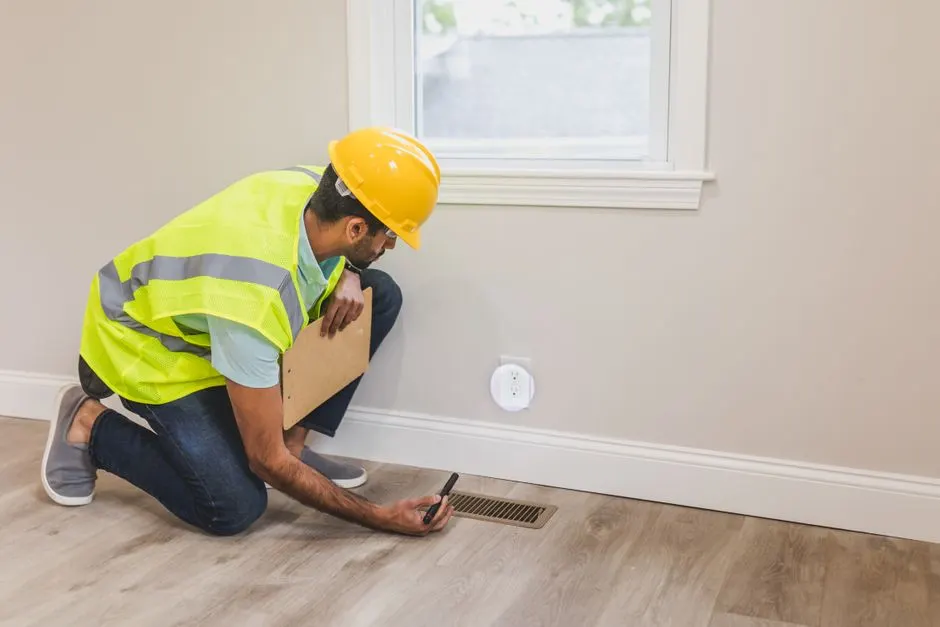 Mold Inspection Near MeIf you need a mold inspection near me WEST HILLS, we dispatch a certified inspector to your address with same-day availability. We cover every neighborhood in the area and bring the full equipment kit on every call.Explore →
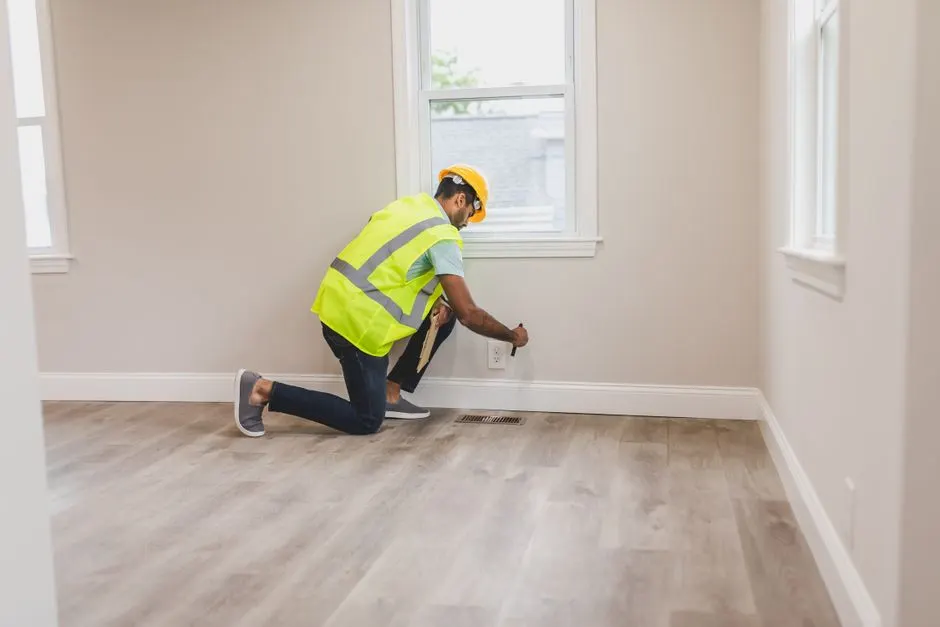 Mold InspectionOur standard mold inspection covers the full property, top to bottom, with moisture mapping and lab sampling. It is the foundation service that tells you whether you have a problem and how big it is.Explore →
 Mold TestingMold testing confirms what is growing and at what concentration. We collect air and surface samples, send them to an accredited lab, and deliver results with species identification and spore counts.Explore →
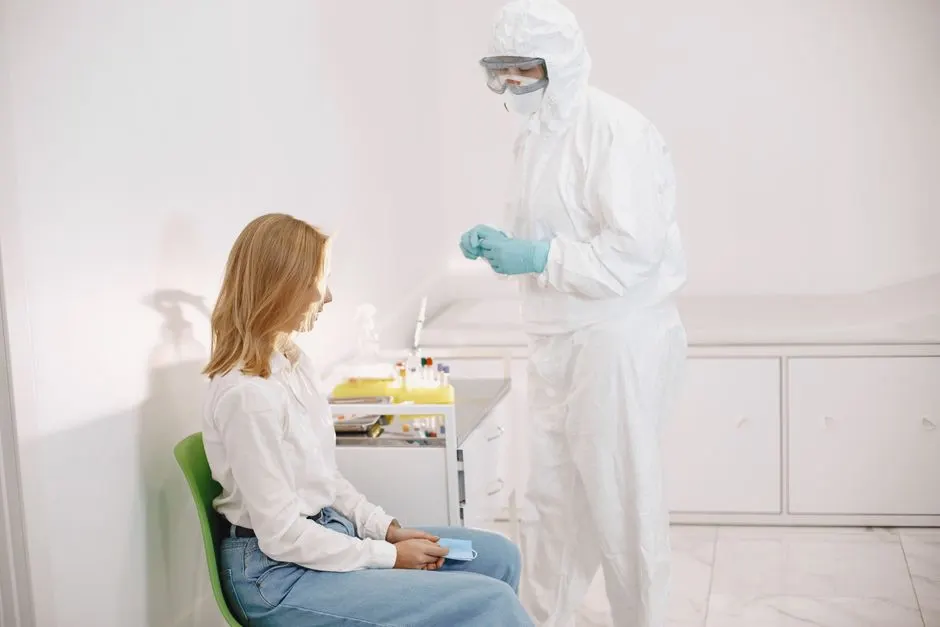 Mold Testing Near MeSearching for mold testing near me WEST HILLS? We run same-day and next-day testing appointments across the West Hills area, with lab results back in 24 to 48 hours.Explore →
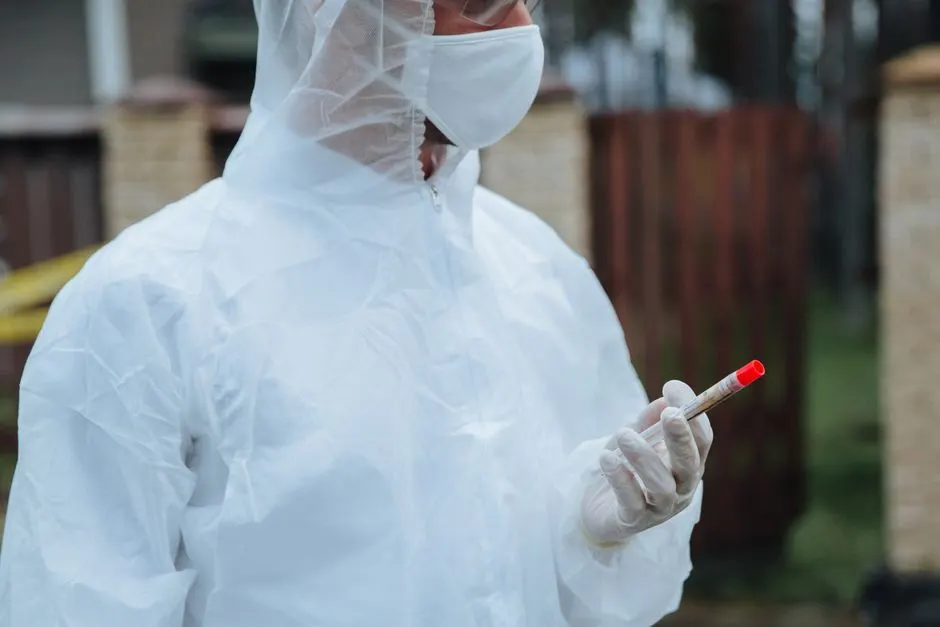
 Certified Mold InspectorOur certified mold inspector holds IICRC and ACAC credentials and follows the S520 standard on every job. You get a documented, defensible assessment, not a sales pitch.Explore →
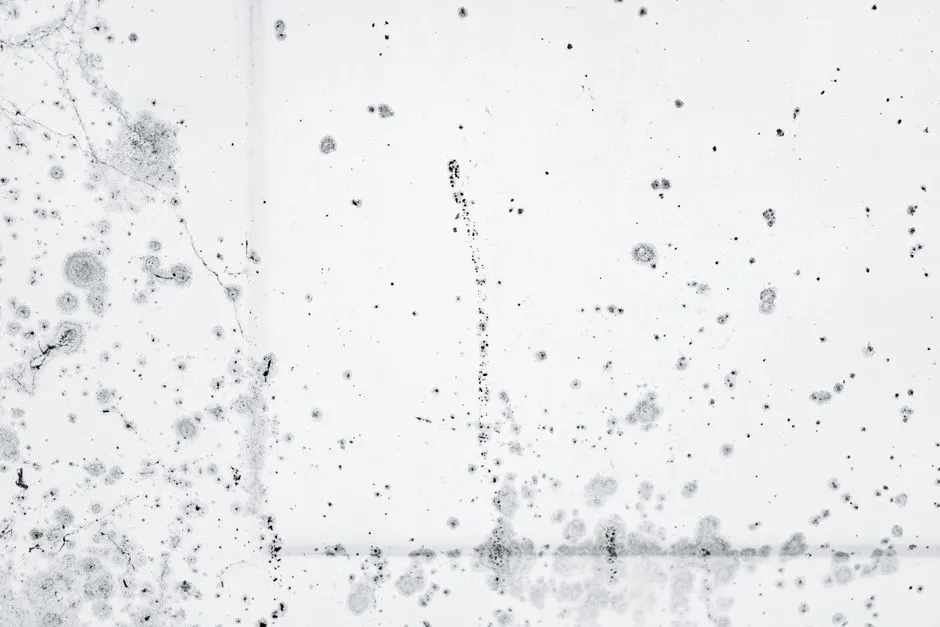 Black Mold InspectionBlack mold infestation needs fast confirmation. We inspect, sample, and identify toxic species, then walk you through remediation options with clear pricing and timelines.Explore →
 Residential Mold TestingResidential mold testing is built for single-family homes, condos, and townhouses. We tailor the sampling plan to your square footage and the specific areas of concern.Explore →
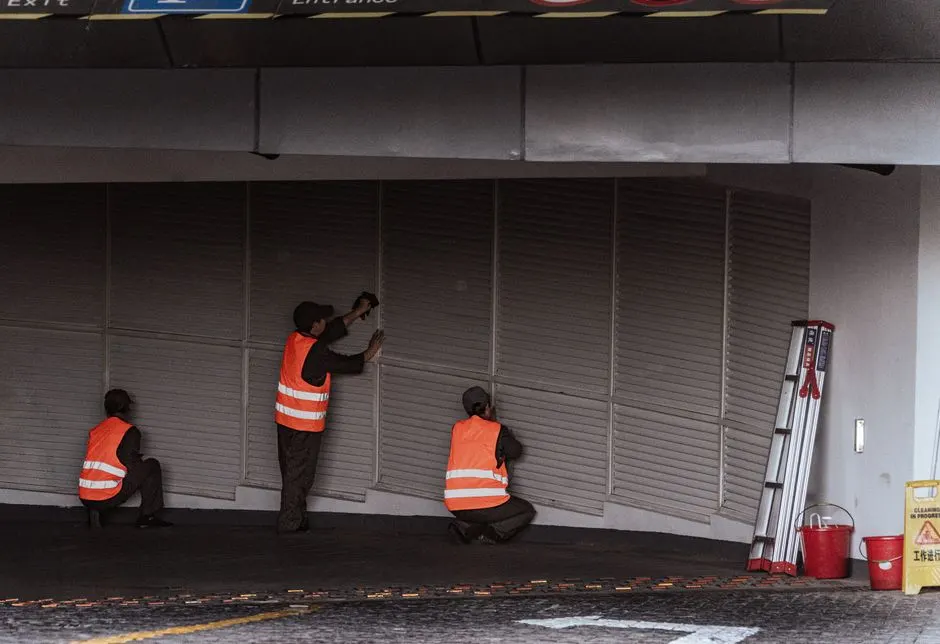 Commercial Mold InspectionCommercial mold inspection covers offices, retail, and multi-unit properties. We work around your business hours and deliver documentation your property manager or insurer can use.Explore →
Call (833) 929-5837 and we will get an inspector to your door, often the same day. You get lab-backed results, a written report, and straight answers about what is growing and what it will take to fix it. No pressure, no scare tactics.
Schedule Inspection (833) 929-5837 →Call us at (833) 929-5837 or send an email to schedule your free mold inspection. We answer the phone 24/7 for emergency calls and return non-urgent messages within one business day. Our office is in West Hills, California, and we serve the surrounding communities including Bell Canyon, Hidden Hills, Woodland Hills, Canoga Park, and Northridge.