Musty odor with no visible mold
We use thermal imaging and a borescope camera to find hidden growth, then confirm with air sampling. Once we locate it, we trace the moisture source and give you a scope for removal.
Black Mold Inspection in WEST HILLS, California is where every mold problem gets solved properly, and we run it with moisture meters, thermal imaging cameras, and lab-backed air samples. If you smell something musty in a West Hills house, see dark staining on a bathroom ceiling, or just bought a home near Bell Canyon and want the air tested before you move in, we get you answers the same day.
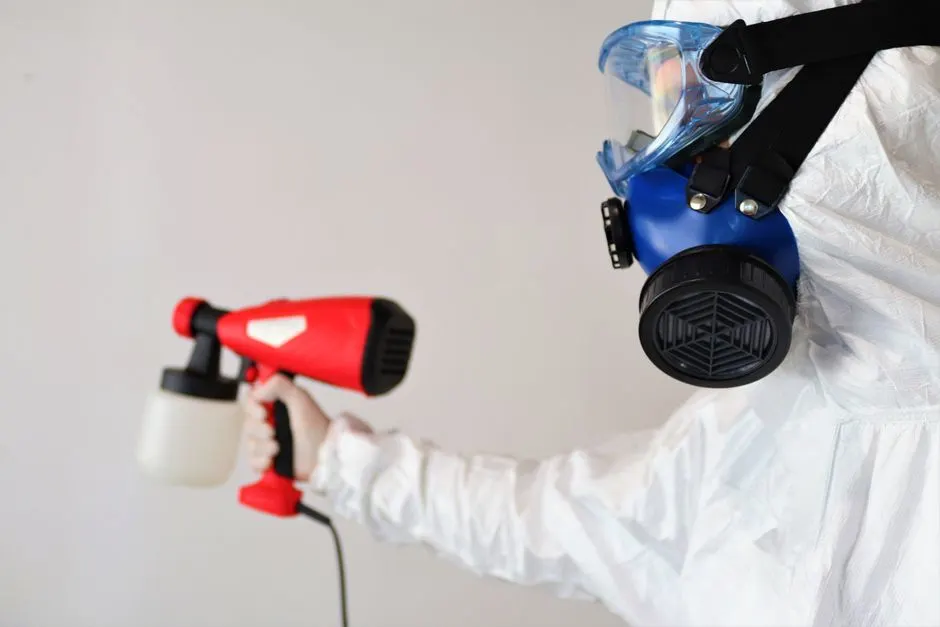
A black mold inspection is a room-by-room investigation that locates visible and hidden mold growth, traces it back to the water source feeding it, and measures how far spores have spread through the air. In West Hills we check attics, crawl spaces, bathroom ceilings, HVAC closets, and the drywall behind washing machines. We use a moisture meter on framing, a borescope camera inside wall cavities, and a thermal imaging camera to spot cold spots where condensation feeds growth.
West Hills sits in a valley pocket where summer heat pushes AC systems hard and winter rain finds every roof flashing gap. That combination produces attic mold, crawl space mold, and water damage mold in homes built between the 1950s and 1990s. If you have been searching for black mold testing near me WEST HILLS California because of a musty odor you cannot place, that smell is usually the first sign and the cheapest one to act on.
Every inspection covers the full property, not just the room where you noticed a problem. Here is what is included in a standard visit, and what we can add on if the situation calls for it.
We inspect every accessible area, including attic, crawl space, bathrooms, kitchen, laundry, and HVAC closet. We check for visible growth, water staining, and conditions that support mold, like high humidity or poor ventilation.
A moisture meter reads water content in drywall, framing, and subfloor. Readings above 16 percent indicate conditions favorable for mold growth. We map readings room by room so you can see exactly where the problem areas are.
A thermal imaging camera reveals temperature differences behind walls and ceilings that indicate hidden moisture. This is how we find mold growing inside a wall cavity before it shows on the surface.
We collect air samples with a calibrated pump and swab any visible growth. Samples go to an accredited third-party lab for spore count and species identification. Results come back in 24 to 48 hours.
You get a report that includes photos, moisture readings, lab data, and a room-by-room breakdown of findings. It is written for homeowners, not contractors, and it is detailed enough to hand to an insurance adjuster.
If the inspection confirms mold, we provide a written scope of work with square footage, materials affected, and recommended remediation steps. You can use it to get bids from other companies or hire us to do the work.
You call (833) 929-5837 and describe what you are seeing or smelling. We ask about recent water damage, roof leaks, AC performance, and which rooms are affected. That conversation takes 10 minutes and lets us load the right equipment before we roll. Same-day appointments are standard, and emergency black mold inspection WEST HILLS calls get priority.
A certified inspector walks the property with you, room by room. We check the attic decking, crawl space joists, bathroom ceilings, under sinks, and around the HVAC air handler. A moisture meter reads framing moisture content, and a thermal imaging camera shows us temperature differences behind drywall that the eye cannot catch.
We collect air samples with a calibrated pump and surface samples from any visible growth. A borescope camera goes into wall cavities where we suspect hidden mold. Sampling takes 30 to 45 minutes on a typical 1,800 square foot West Hills home, and we label every sample by room so the lab results map to your floor plan.
Samples go to an accredited third-party lab. Results come back in 24 to 48 hours with spore counts per cubic meter and species identification. We do not run the lab ourselves, which means the numbers are independent and defensible if you need them for an insurance claim or a real estate transaction.
We walk you through the findings in plain language, then hand over a written report with photos, lab data, and a recommended scope. If remediation is needed, we quote it. If it is not, we tell you that too and explain what maintenance will keep it that way.
Purpose-built equipment, used by trained technicians — so the job is done accurately the first time.
Reads water content in drywall, framing, and subfloor. Readings above 16 percent indicate conditions favorable for mold growth. We use it on every inspection to map problem areas.
Reveals temperature differences behind walls and ceilings that indicate hidden moisture. This is how we find mold growing inside a wall cavity before it shows on the surface.
A flexible camera that goes inside wall cavities and ductwork through a small hole. It lets us see mold growth without cutting open drywall.
Draws a calibrated volume of air through a cassette or slide to capture airborne spores. The lab counts spores per cubic meter and identifies species.
Captures mold spores and debris during remediation. HEPA filters trap particles down to 0.3 microns, which is small enough to catch individual spores.
Runs continuously during remediation to filter airborne spores and maintain negative air pressure inside containment. This keeps spores from spreading to unaffected rooms.
Creates negative pressure inside a containment zone so air flows in, not out. This is a critical control during remediation to protect the rest of the house.
The homeowner noticed a musty smell in the hallway that got worse in summer. A moisture meter read 22 percent on the roof decking, and thermal imaging showed widespread temperature anomalies. Lab testing confirmed stachybotrys growth across 180 square feet of decking and rafters.
We removed affected decking and insulation, HEPA vacuumed the attic, and treated the framing with antimicrobial products. Post remediation testing showed spore counts back to outdoor baseline levels. The homeowner added two new roof vents to correct the ventilation problem.
The homeowner had never been in the crawl space. When we inspected, moisture content in the joists read 24 percent, and visible mold covered 40 percent of the subfloor. The air rising into the living space was carrying spores into the kitchen and living room.
We removed affected insulation, treated the joists with antimicrobial products, and installed a vapor barrier. Post remediation air sampling showed indoor spore counts dropped by 85 percent. The homeowner added a dehumidifier to keep humidity in check.
The homeowner repainted the ceiling twice, and the dark staining came back within two months both times. Moisture readings showed the drywall above the shower was saturated, and the exhaust fan was moving only 30 CFM when it should have been 110 CFM.
We removed the affected drywall, treated the framing, and installed new moisture-resistant drywall. The homeowner replaced the exhaust fan with a properly sized unit. Post remediation testing confirmed the air was clear, and the staining has not returned.
Every mold problem starts with water. Here are the situations we see most often in West Hills homes and how we handle them.
Ask a pro →We use thermal imaging and a borescope camera to find hidden growth, then confirm with air sampling. Once we locate it, we trace the moisture source and give you a scope for removal.
We inspect the attic, measure moisture content in the decking, and test for species. If remediation is needed, we remove affected material and recommend ventilation corrections to prevent recurrence.
We inspect the crawl space, test moisture levels in the joists and subfloor, and sample the air. If mold is present, we scope removal and recommend encapsulation to seal out moisture permanently.
We test the ceiling and surrounding wall, measure moisture content, and confirm whether the exhaust fan is moving enough air. Then we scope removal and recommend a properly sized fan.
Most residential inspections in West Hills run $250 to $650 in 2026, depending on square footage and how many samples we collect. A basic visual inspection with one or two air samples sits at the low end. A full inspection with thermal imaging, borescope work, and multiple room-by-room samples lands higher. We quote the price before we schedule, so there is no surprise on the invoice.
Yes, certain species produce mycotoxins and can cause respiratory problems, headaches, and allergic reactions with prolonged exposure. Stachybotrys chartarum is the one most people mean when they say toxic black mold, and it needs sustained moisture to grow. If you have symptoms that improve when you leave the house and return when you come back, that pattern alone justifies testing.
The three most common signs are a musty or earthy odor that does not go away, dark greenish-black staining on drywall or ceiling tiles, and allergy symptoms that flare up in one specific room. Water stains from an old leak are another red flag even if they look dry. A moisture meter reading above 16 percent on framing means conditions are right for growth.
We do, and we can usually be on-site the same day you call. Our inspectors carry IICRC and ACAC certifications and use calibrated air sampling pumps, moisture meters, and thermal imaging cameras. Call (833) 929-5837 and describe what you are seeing. We will tell you on the phone whether testing makes sense or whether a visual inspection is enough.
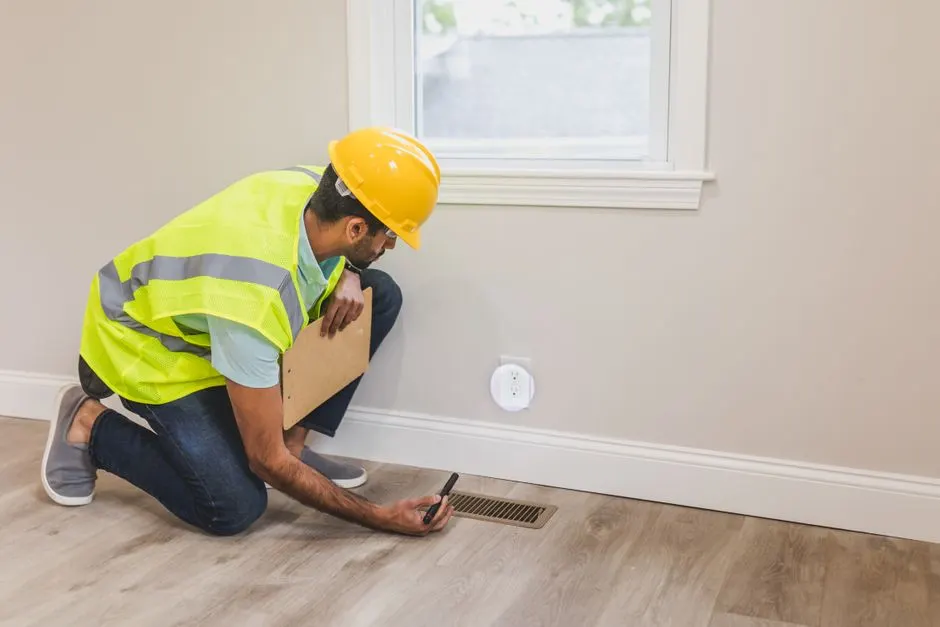 Mold Inspection Near MeIf you are searching for mold inspection near me in West Hills, this is the entry point. We walk the property, check moisture levels, and tell you whether further testing is warranted. Most jobs start here and expand only if the readings justify it.Explore →
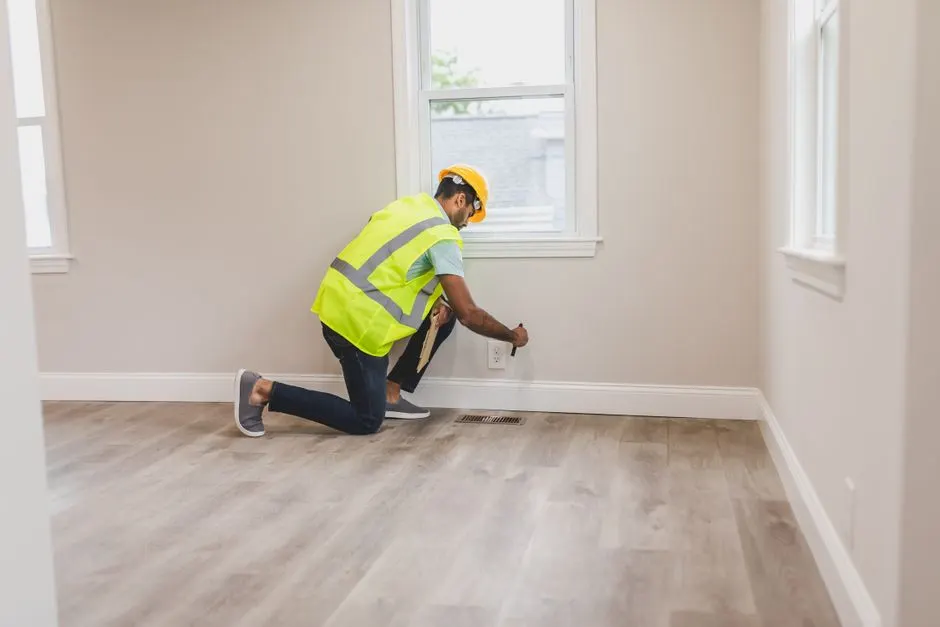 Mold InspectionA general mold inspection covers the same ground as a black mold inspection but without the species-specific focus. We check attics, crawl spaces, bathrooms, and HVAC closets for any mold growth and document what we find with photos and moisture readings.Explore →
 Mold TestingMold testing means air samples and surface swabs sent to an accredited lab. It pairs directly with black mold inspection in West Hills because the lab results confirm what the visual inspection suggests. Results come back in 24 to 48 hours.Explore →
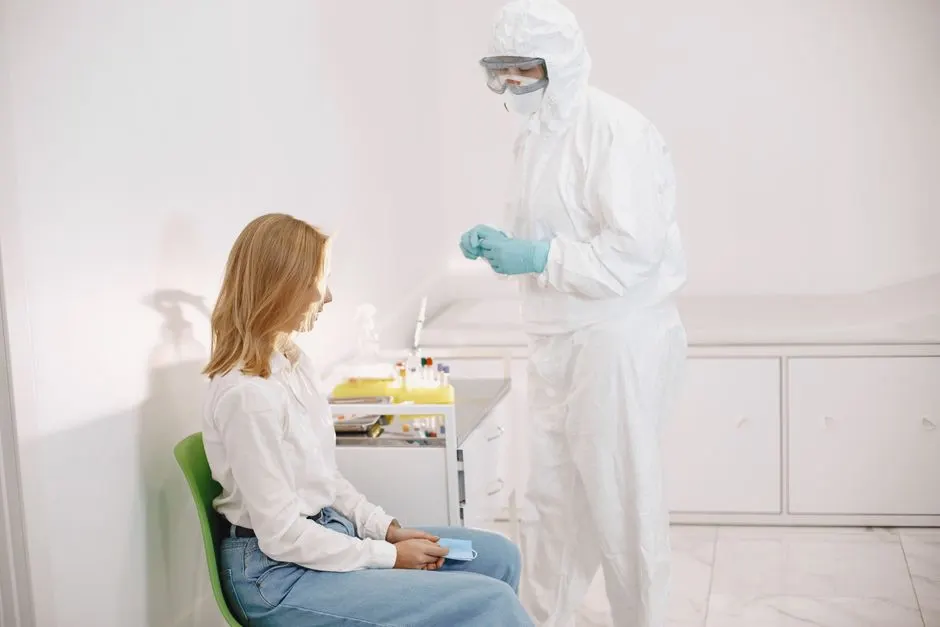 Mold Testing Near MeWhen you need mold testing near me in West Hills, we schedule same-day or next-day appointments. We collect samples from every affected room, label them by location, and deliver a written report with spore counts and species identification.Explore →
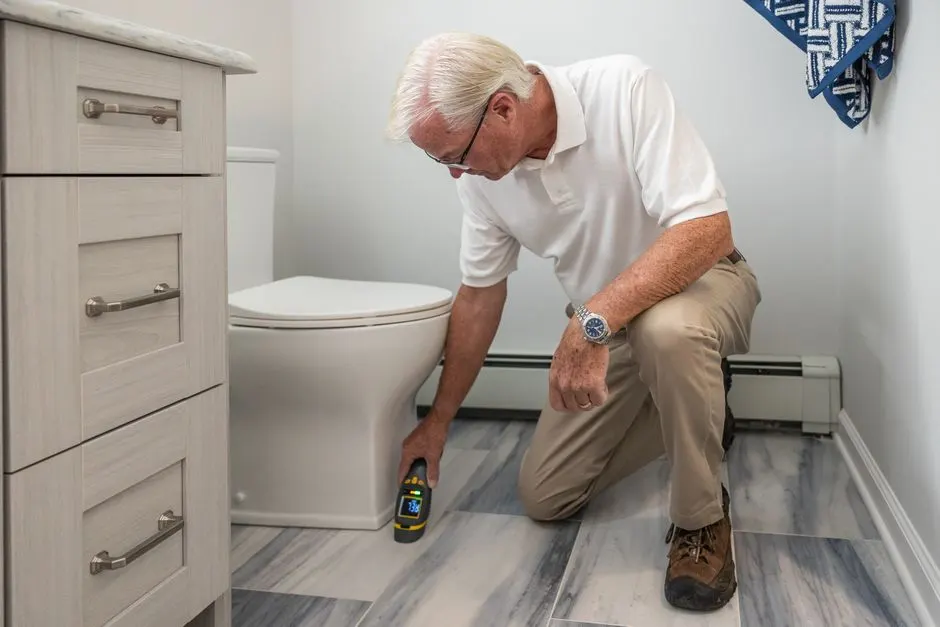 Certified Mold InspectorOur certified mold inspectors hold IICRC and ACAC credentials and follow IICRC S520 assessment standards. That matters when you need a report that holds up with an insurance adjuster or in a real estate negotiation.Explore →
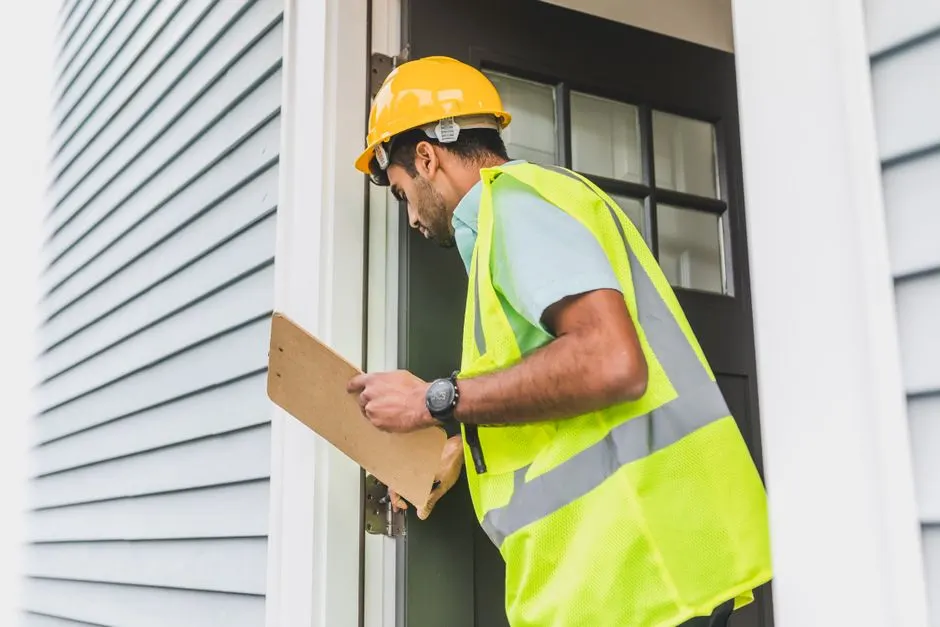 Home Mold InspectionA home mold inspection covers the whole house, from attic decking to crawl space joists. We check every room, test moisture content in framing, and use thermal imaging to find hidden growth behind walls. Ideal before buying a West Hills home.Explore →
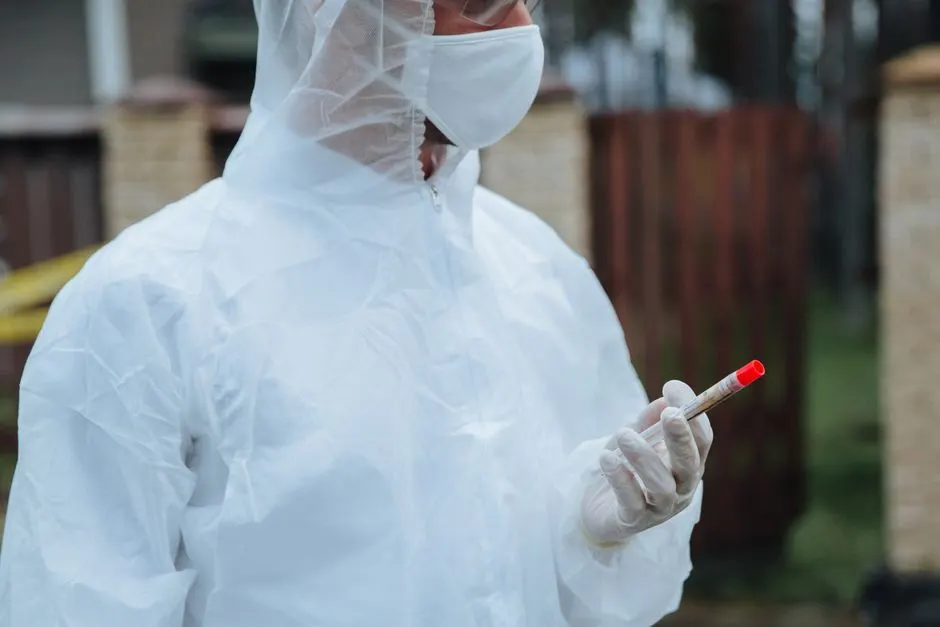 Residential Mold TestingResidential mold testing is built for single-family homes and condos. We sample air in living spaces and swab any visible growth, then compare indoor spore counts against outdoor baseline readings to determine whether there is an active problem.Explore →
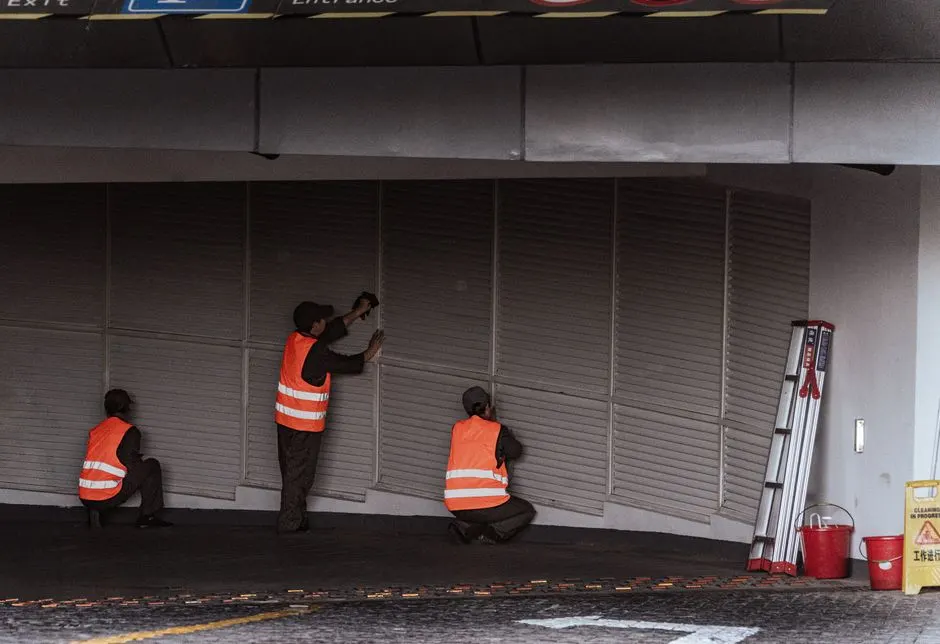 Commercial Mold InspectionCommercial mold inspection covers offices, retail spaces, and multi-unit buildings around Warner Center and Canoga Park. We work after hours to avoid disrupting your business and deliver a scope that your facilities team or property manager can act on.Explore →
Call (833) 929-5837 and describe what you are seeing or smelling. We will tell you on the phone whether testing makes sense, schedule a same-day or next-day visit, and deliver lab results within 24 to 48 hours. Licensed, insured, and certified.
Schedule Inspection (833) 929-5837 →Call us at (833) 929-5837 or send an email to schedule your free mold inspection. We answer the phone 24/7 for emergency calls and return non-urgent messages within one business day. Our office is in West Hills, California, and we serve the surrounding communities including Bell Canyon, Hidden Hills, Woodland Hills, Canoga Park, and Northridge.