Musty odor with no visible growth
We use thermal imaging and a borescope camera to find the moisture source without tearing the house apart. Once we locate it, we test the area and give you a fixed price to remove it.
Toxic Mold Removal in WEST HILLS, California is what we do every day for homeowners and property managers across the west San Fernando Valley. If you smell a musty odor, see dark staining on drywall, or had a leak you never fully dried, we test, contain, and remove the growth at the source. Our crews carry IICRC certification and run black mold remediation WEST HILLS properties need, with same-day estimates and no surprise line items.
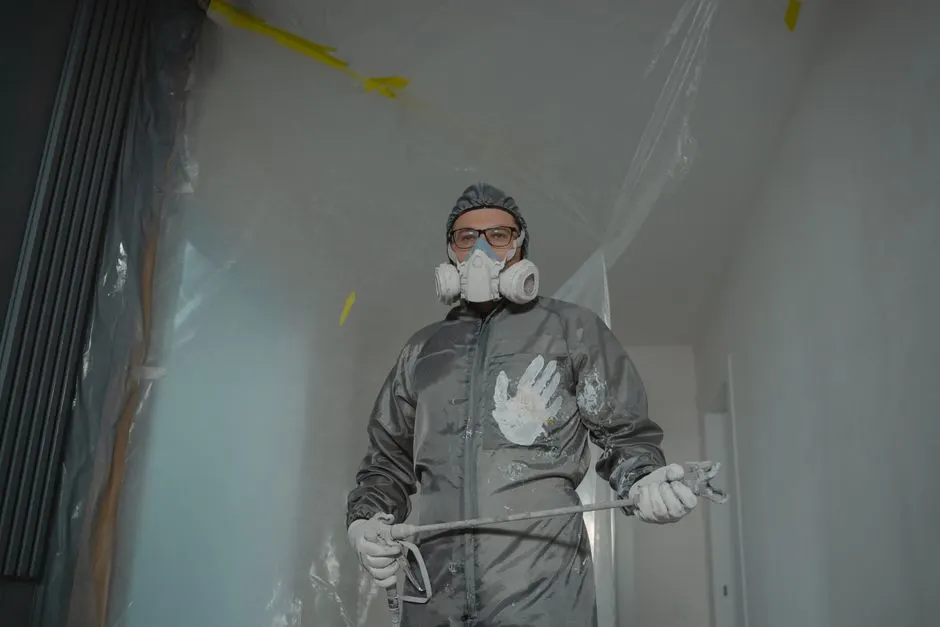
Toxic Mold Removal in WEST HILLS, California is a containment-first process that finds the moisture source, isolates the affected area with plastic sheeting and negative air machines, and physically removes contaminated drywall, insulation, and framing before treating what stays. We use moisture meters, thermal imaging cameras, and borescope cameras to trace water behind walls and under floors, then HEPA vacuum and air scrubbers to pull spores out of the air. It is not a spray-and-paint job. It is demolition, cleaning, and verification, done to IICRC S520 standards.
Most WEST HILLS calls start the same way: a slow supply-line leak under a kitchen sink, a bathroom ceiling stain that keeps coming back, or crawl space mold nobody noticed until the smell hit the hallway. Our dry climate does not stop mold, it just hides it. When a pipe drips inside a wall for three weeks, the paper facing on drywall feeds black mold infestation fast. If you are searching for black mold remediation near me WEST HILLS, we can be on site the same day to scope it and give you a straight answer on what has to come out.
Every job includes inspection, containment, removal, treatment, and clearance testing. We do not subcontract the remediation, and we do not skip the verification step. Here is what you get when you hire us for toxic mold removal in WEST HILLS.
Moisture meter, thermal imaging camera, and borescope inspection of every suspect area, plus air and surface samples sent to an accredited lab. Results in 24 to 48 hours with species identification.
6-mil plastic sheeting, zip doors, negative air machine, and HEPA air scrubbers running for the duration of the job. This keeps spores out of the rest of your home while we work.
Contaminated drywall, insulation, and porous materials removed and bagged. Every exposed surface HEPA vacuumed, then treated with an EPA-registered antimicrobial product.
Structural lumber treated with antimicrobial coating. Where needed, we apply an encapsulation material to seal residual spores in place and prevent regrowth.
Independent third-party post remediation mold testing with air and surface samples. You get a written clearance report showing spore counts at or below outdoor baseline.
A certified mold inspector walks the property with a moisture meter, thermal imaging camera, and borescope camera. We take air and surface samples, send them to an accredited lab, and have results in 24 to 48 hours. You get a written report showing exactly where the growth is and what species it is.
We build a sealed work zone with plastic sheeting and zip doors, then install a negative air machine and HEPA air scrubbers. This keeps the rest of your home livable while we work. Setup usually takes two to three hours on a typical WEST HILLS single-story home.
Contaminated drywall, insulation, and porous materials come out and go into sealed bags. We HEPA vacuum every exposed surface, then treat framing with an antimicrobial coating. For heavy growth on structural lumber, we use dry ice blasting to remove it without gouging the wood.
We apply EPA-registered products like Concrobium or Benefect to remaining surfaces, then fog the cavity to reach areas a rag cannot. If the job calls for it, we seal framing with an encapsulation material so any residual spores stay locked in place.
Before we pull containment, an independent third party runs post remediation mold testing. You get a clearance report showing spore counts at or below outdoor levels. That document is what your insurance company and any future buyer will want to see.
Purpose-built equipment, used by trained technicians — so the job is done accurately the first time.
Reads moisture content in drywall, wood, and framing. Anything above 16 percent in drywall is a red flag for active growth.
Finds temperature differences behind walls that indicate hidden moisture, without cutting into the surface.
A small camera on a flexible probe that lets us see inside wall cavities and behind baseboards without large openings.
Creates negative pressure in the containment zone so spores cannot escape into the rest of the home.
Filters airborne spores down to 0.3 microns and runs continuously during remediation to keep the air clean.
Removes mold from structural lumber without gouging the wood or leaving abrasive residue behind.
Applies EPA-registered products like Concrobium or Benefect to cavities and surfaces that manual cleaning cannot reach.
A slow supply-line leak under a WEST HILLS kitchen sink went unnoticed for about six weeks. The base cabinet, drywall behind it, and a section of subfloor were covered in black growth. Moisture meter readings in the drywall were above 30 percent.
We contained the kitchen, removed the cabinet and affected drywall, HEPA vacuumed and treated the framing, and replaced the subfloor section. Clearance testing showed spore counts back at outdoor baseline. Total job time was four days.
A WEST HILLS homeowner noticed a musty smell in an upstairs bedroom. Thermal imaging found moisture in the ceiling, and the attic above showed mold on the roof sheathing and rafters. The source was a flashing detail that had been leaking for at least two winters.
We removed the affected sheathing and insulation, treated the rafters with an antimicrobial coating, and encapsulated the remaining framing. A roofer repaired the flashing. Clearance testing confirmed the attic was clean.
During a home sale inspection, the crawl space of a 1960s WEST HILLS ranch home showed mold on the joists and subfloor. The vapor barrier had disintegrated, and groundwater was keeping the space damp year-round. Moisture readings in the joists were above 25 percent.
We removed the failed vapor barrier, treated the joists and subfloor with dry ice blasting and an antimicrobial coating, and installed a new 10-mil vapor barrier. Clearance testing passed, and the sale closed on schedule.
Most mold calls trace back to one of a handful of causes. Here are the ones we see most often in WEST HILLS, and what happens if you leave them alone.
Ask a pro →We use thermal imaging and a borescope camera to find the moisture source without tearing the house apart. Once we locate it, we test the area and give you a fixed price to remove it.
We trace the leak to its source, whether it is a failed shower pan, a supply line, or a roof flashing. Then we remove the affected drywall, treat the framing, and fix the water path so it does not return.
We handle crawl space mold removal, treat joists and subfloor, and provide a clearance report from an independent inspector. That document keeps the transaction moving.
We respond 24/7 for emergency calls. We dry the structure first, then test for mold. If growth has started, we remediate it before it spreads further.
Most residential jobs in WEST HILLS run $1,500 to $6,500, with small contained areas starting around $1,200 and whole-room or crawl space jobs reaching $10,000 or more. Price depends on square footage affected, how many materials have to come out, and whether the source is a simple supply-line leak or something structural. We give you a fixed written price after inspection, not a range that moves later.
Toxic black mold usually refers to Stachybotrys chartarum, a greenish-black species that grows on wet cellulose like drywall paper and wood framing. It does not grow on a damp surface overnight; it needs sustained moisture for a week or more. Not every black stain is Stachybotrys, which is why we lab-test before calling anything toxic. Species identification changes the scope of work.
It depends on the cause. Sudden events like a burst pipe or a water heater failure are usually covered. Long-term neglect, gradual leaks, and flooding are typically excluded. California policies often cap mold coverage at $10,000 unless you bought a rider. We document the loss thoroughly so your adjuster has what they need to make a decision quickly.
The three most common signs are a persistent musty odor, visible dark staining on drywall or ceiling tiles, and allergy-like symptoms that ease when you leave the house. A moisture meter reading above 16 percent in drywall is a red flag. If you have had any leak in the last 60 days, get it tested. Air and surface sampling gives you a definitive answer in 24 to 48 hours.
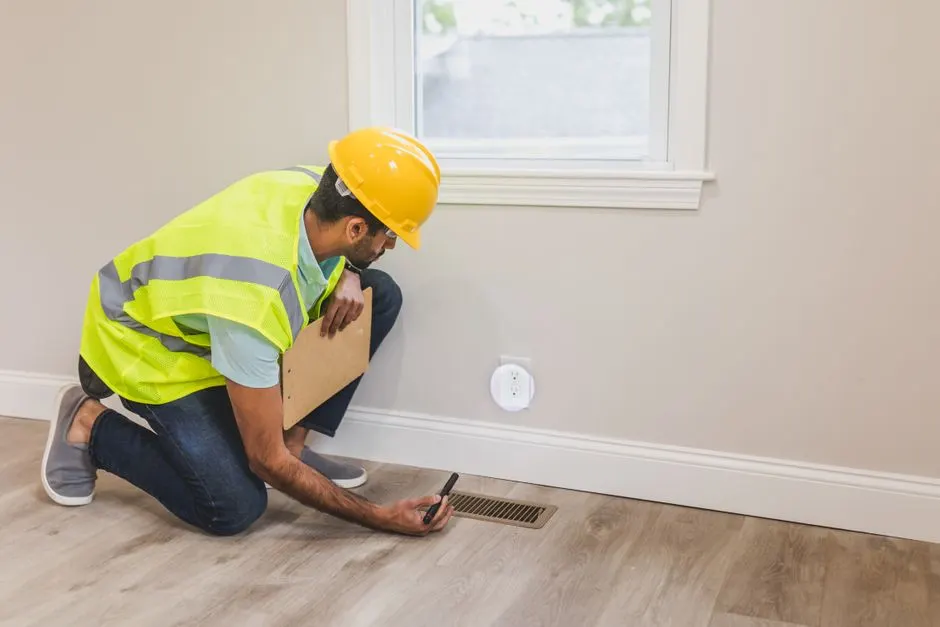 Mold Inspection Near MeA full inspection with moisture meters, thermal imaging, and borescope cameras is the first step before any toxic mold removal in WEST HILLS. We map every affected cavity and give you a written report you can hand to your insurance adjuster.Explore →
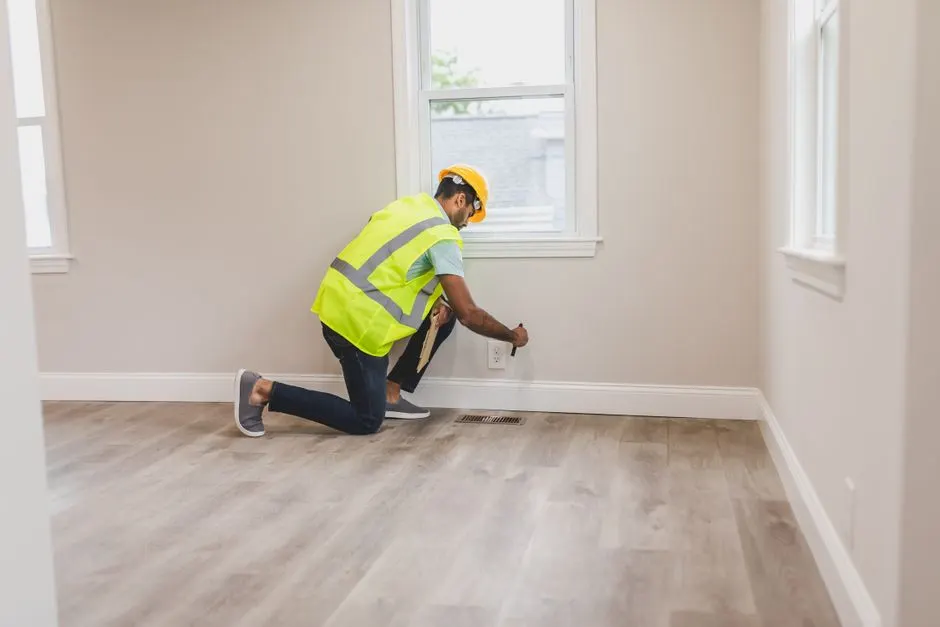 Mold InspectionOur standard mold inspection covers attic, crawl space, bathrooms, and HVAC closets. In WEST HILLS we find most growth in bathroom ceilings and crawl spaces. Inspection results determine whether remediation is needed or just drying and monitoring.Explore →
 Mold TestingAir and surface samples sent to an accredited lab with species identification and spore counts. Testing tells you whether you are dealing with Stachybotrys or a less aggressive species, which changes the scope and cost of removal.Explore →
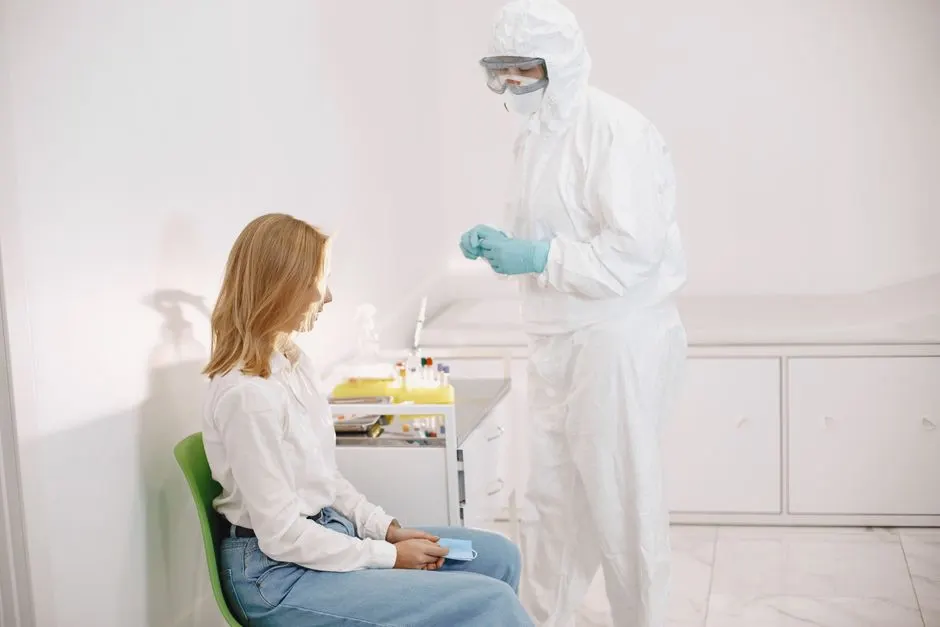 Mold Testing Near MeSame-day and next-day testing appointments across WEST HILLS and surrounding neighborhoods. We take samples, ship them to the lab, and have results back in 24 to 48 hours, with a written report explaining what was found and where.Explore →
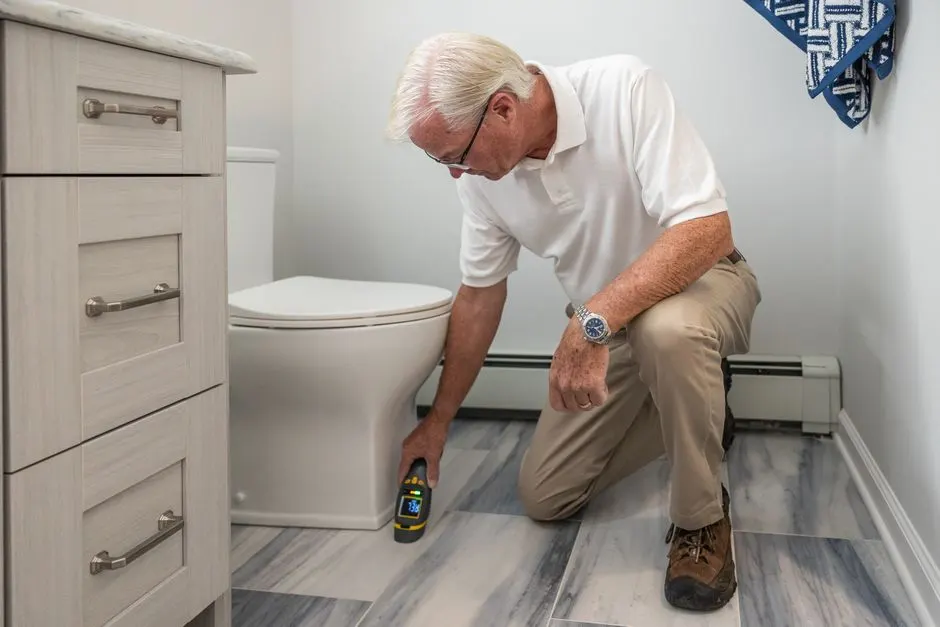 Certified Mold InspectorOur inspectors hold IICRC and ACAC certifications and follow S520 standards. That matters when you need documentation for a real estate transaction, an insurance claim, or a landlord dispute in WEST HILLS.Explore →
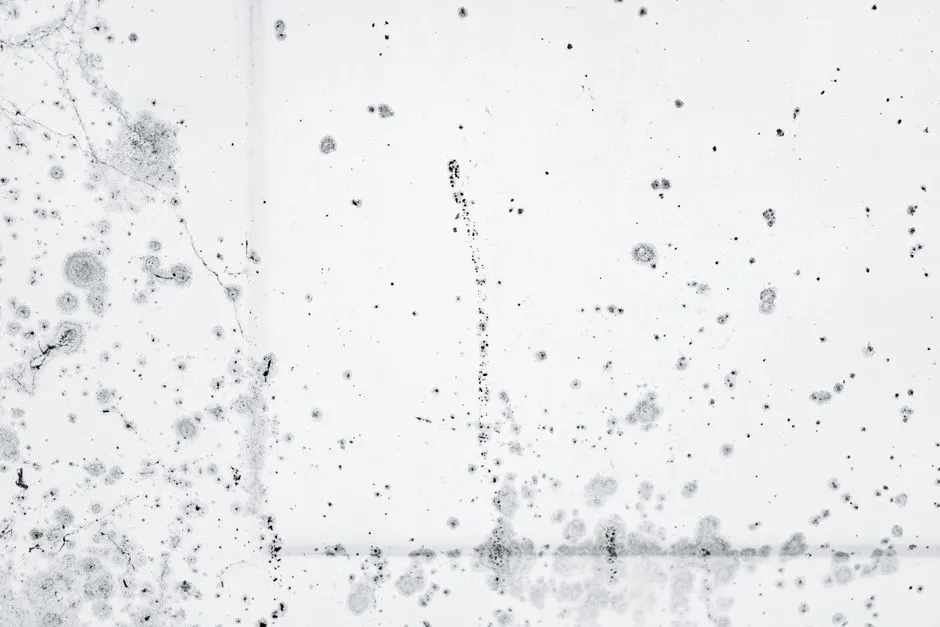 Black Mold InspectionA focused inspection for black mold infestation, including Stachybotrys. We check the areas where it actually grows: drywall paper, wood framing, and cellulose insulation that has stayed wet for more than a week.Explore →
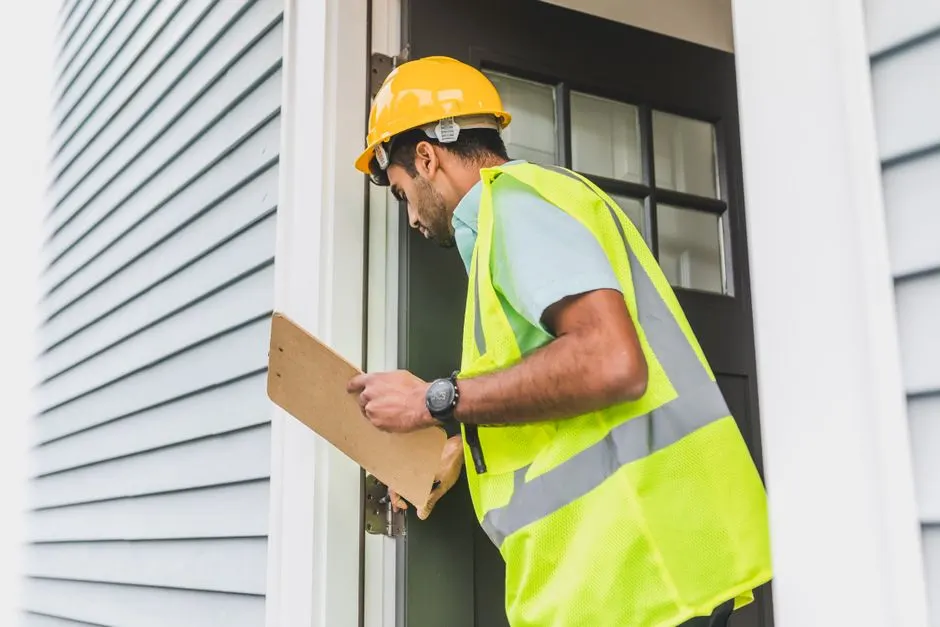 Home Mold InspectionWhole-home inspection covering attic, crawl space, basement, bathrooms, kitchen, and HVAC. We use thermal imaging to find hidden moisture behind walls and under floors before it becomes a bigger remediation job.Explore →
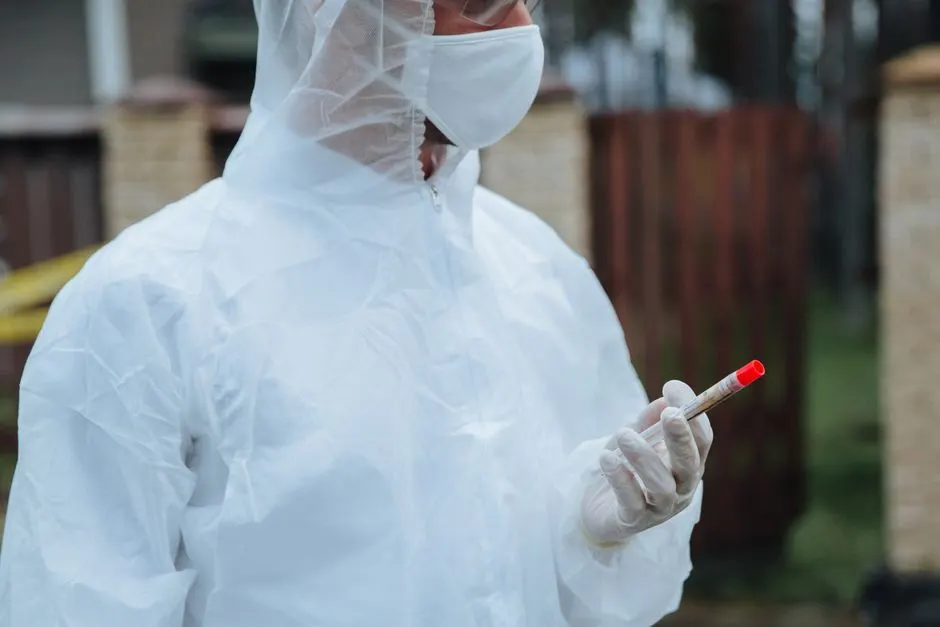 Residential Mold TestingAir and surface testing for single-family homes, condos, and townhomes in WEST HILLS. We test before remediation to establish a baseline and after to confirm clearance. Both reports come in writing.Explore →
If you see dark staining, smell something musty, or had a leak in the last 60 days, get it tested before it spreads. We are licensed, insured, IICRC-certified, and available 24/7. Same-day estimates and a fixed written price before we start. Call (833) 929-5837.
Get a Free Estimate (833) 929-5837 →Call us at (833) 929-5837 or send an email to schedule your free mold inspection. We answer the phone 24/7 for emergency calls and return non-urgent messages within one business day. Our office is in West Hills, California, and we serve the surrounding communities including Bell Canyon, Hidden Hills, Woodland Hills, Canoga Park, and Northridge.