How to Remove Mold from a Bathroom Ceiling
Mold on your bathroom ceiling is a moisture problem, not just a stain. Here's how to remove it safely, why it keeps coming back, and when to call a pro in West Hills.
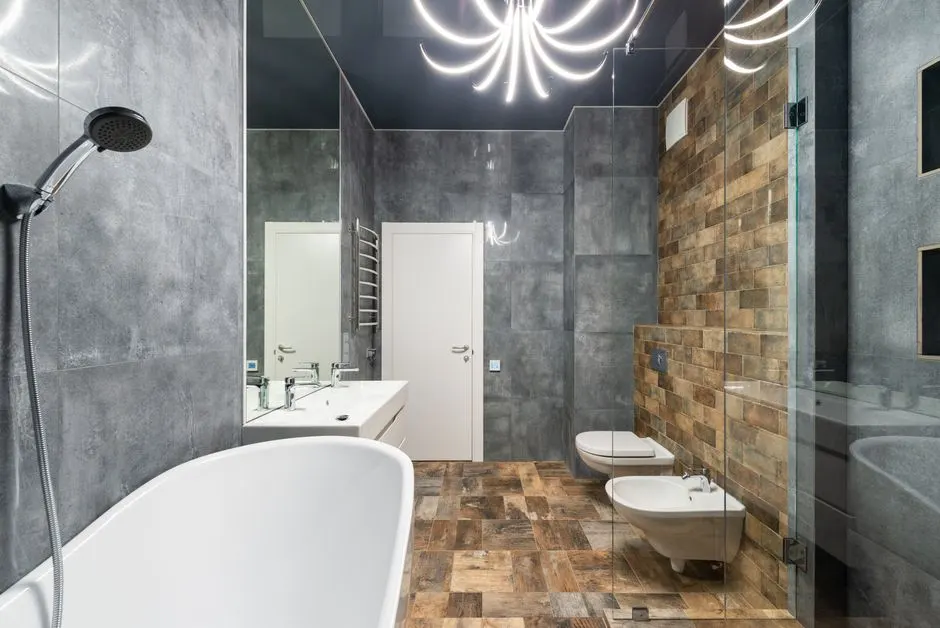
To remove mold from a bathroom ceiling, you need to kill the mold at the root, remove the moisture source that feeds it, and treat the surface so spores can't regrow. For light surface mold, a DIY approach with a bleach or vinegar solution can work. For mold that keeps returning, covers more than a few square feet, or sits above a leak, professional bathroom ceiling mold removal WEST HILLS California is the safer and more permanent fix.
This guide walks you through why bathroom ceiling mold happens in West Hills homes, how to clean it safely, what prevention actually works, and when it's time to bring in a pro.
Why Mold Grows on Bathroom Ceilings in West Hills
Mold grows on bathroom ceilings in West Hills because hot shower steam rises, hits the cooler ceiling surface, and condenses into a thin film of water that never fully dries. That film is all mold needs. Add the area's seasonal humidity - West Hills sits in the San Fernando Valley, where summer temps push past 100°F and winter rains can keep indoor humidity above 60% for days - and you have a near-perfect growth chamber.
Three conditions trigger ceiling mold:
- Moisture: Steam, leaks from the roof or upstairs plumbing, or poor ventilation.
- Organic food source: Drywall paper, paint, and even dust provide nutrients.
- Warmth: Bathrooms stay warm year-round, especially after showers.
Remove any one of those and mold stops growing. In practice, moisture is the one you can control.
Older West Hills homes - many built in the 1950s and 1960s - often have undersized or missing exhaust fans. If your bathroom fan is louder than a conversation or moves less air than a hair dryer, it's not doing the job. A fan should clear the room in 15-20 minutes. If the mirror is still foggy after 30, the fan is undersized.
How to Remove Mold from a Bathroom Ceiling: Step-by-Step
Before you start, gear up. Mold spores are tiny and become airborne the moment you disturb them. Wear an N95 respirator, safety goggles, and rubber gloves. Open a window and run the exhaust fan. If you have asthma, allergies, or a compromised immune system, skip the DIY and call a pro.
Step 1: Identify and Fix the Moisture Source
Mold will return in weeks if you don't fix the water source. Check for:
- Roof leaks (look for water stains, especially after rain)
- Leaking pipes or upstairs toilet seals
- Poor ventilation (fan not working or too small)
- Condensation from showers (no fan or window open)
If you see bubbling paint or a sagging ceiling, stop. That's a sign of trapped moisture and likely hidden mold. Call a professional for mold inspection near me WEST HILLS before you start scraping.
Step 2: Clean the Mold Off the Ceiling
For small patches (under 10 square feet), mix one part bleach to three parts water, or use undiluted white vinegar. Spray the area, let it sit 10-15 minutes, then scrub with a stiff brush. Wipe clean with a damp cloth and dry immediately.
For porous surfaces like unpainted drywall, cleaning isn't enough. The mold roots have grown into the paper. You'll need to cut out and replace that section. If the mold covers more than a few square feet, or if the drywall is crumbly, it's time for professional mold removal WEST HILLS California.
Step 3: Kill Remaining Spores
After cleaning, spray the area with a mold inhibitor or a 1:10 bleach solution. Let it dry completely. Don't rinse. This step helps prevent regrowth on the surface, but it won't stop mold if moisture returns.
Step 4: Dry the Area Completely
Run a dehumidifier or a fan pointed at the ceiling for 24-48 hours. Mold can't grow without moisture. If the ceiling stays damp, you haven't solved the problem.
What Causes Bathroom Ceiling Mold to Keep Coming Back?
Bathroom ceiling mold keeps coming back in West Hills because the moisture source was never fixed. Cleaning the visible mold is like pulling a weed without pulling the root. The three most common reasons mold returns:
- The exhaust fan is undersized or broken. A fan should move at least 50 CFM (cubic feet per minute) for a standard bathroom. If yours is old, noisy, or moves less air, replace it.
- There's a hidden leak. A slow roof leak or a dripping pipe above the ceiling keeps the drywall damp. You won't see the mold until it's spread.
- The ceiling was never dried properly. After cleaning, if the drywall stays damp, mold returns in days.
If you've cleaned the ceiling twice and mold is back within a month, you have a moisture problem that needs a professional mold remediation company WEST HILLS California to trace and fix.
Bathroom Ceiling Mold Prevention in West Hills
Preventing bathroom ceiling mold in West Hills comes down to three habits: ventilate, dry, and maintain. Here's what works:
- Run the exhaust fan every shower. Leave it on for 15-20 minutes after you finish. If you don't have a fan, install one. It's the single best investment.
- Wipe down the ceiling after showers. A quick pass with a squeegee or towel removes condensation before it soaks in.
- Keep humidity below 50%. A small hygrometer costs $10-$15. If humidity stays above 60%, run a dehumidifier.
- Fix leaks immediately. Even a slow drip can feed mold for months before you notice.
- Paint with mold-resistant paint. After cleaning, apply a mold-inhibiting primer and paint. It's not a cure, but it buys time.
- Clean monthly. Spray the ceiling with a vinegar solution once a month to kill spores before they colonize.
If you've had repeated mold issues, a mold assessment WEST HILLS can identify hidden moisture and airborne spore levels. That data tells you whether the problem is surface-level or systemic.
Common Mistakes to Avoid
Most DIY mold removal fails because of these mistakes:
- Painting over mold. Paint traps moisture and the mold grows through. Always clean and kill first.
- Using a fan without fixing the leak. Air movement helps, but if water is still entering, mold returns.
- Bleaching porous surfaces. Bleach kills surface mold but doesn't penetrate drywall. The roots survive.
- Skipping protective gear. Inhaling mold spores can cause respiratory issues. Wear an N95.
- Ignoring the HVAC system. Mold spores can circulate through your home's air. If you've had a major mold issue, consider a mold sampling WEST HILLS to check air quality.
When to Call a Professional
Call a professional when the mold covers more than 10 square feet, when it keeps returning after cleaning, when you smell a musty odor even after treatment, or when you see signs of water damage like bubbling paint or a sagging ceiling. These are signs of hidden mold that DIY can't fix.
Our team at Mold Remediation Service West Hills handles bathroom ceiling mold removal, moisture source repair, and post-remediation testing. We find the leak, remove the mold, and verify the air is clean before we leave.
Frequently Asked Questions
How much does bathroom ceiling mold removal cost in West Hills, California?
In 2026, typical bathroom ceiling mold removal in West Hills runs $500-$1,500 for small areas under 10 square feet, and $1,500-$3,500 for larger or recurring problems that require drywall replacement and moisture repair. Costs depend on the extent of mold, whether drywall must be replaced, and if a leak needs fixing.
What causes mold on bathroom ceiling in West Hills?
Mold on bathroom ceilings in West Hills is caused by excess moisture from showers, poor ventilation, and hidden leaks. The Valley's warm climate and occasional high humidity make bathrooms prone to condensation, which feeds mold growth on drywall and paint.
Can I remove bathroom ceiling mold myself in West Hills, California?
You can remove small patches (under 10 square feet) yourself using bleach or vinegar, protective gear, and proper drying. However, if mold covers a larger area, keeps returning, or is linked to a leak, professional removal is safer and more effective. DIY won't fix hidden moisture.
How do I prevent mold on bathroom ceiling in West Hills?
Prevent mold by running your exhaust fan for 15-20 minutes after showers, keeping humidity below 50%, fixing leaks immediately, and cleaning the ceiling monthly with a vinegar solution. Mold-resistant paint and a dehumidifier also help in West Hills' climate.
Is bleach or vinegar better for cleaning bathroom ceiling mold?
Vinegar works well on non-porous surfaces and is less harsh. Bleach kills mold faster on painted drywall but can damage some materials. For best results, use a 1:3 bleach solution, let it sit 10-15 minutes, scrub, and dry completely. Never mix bleach and vinegar.
Get Help with Mold Remediation Service in West Hills
If your bathroom ceiling mold keeps coming back, or you've found signs of a leak, we can help. Mold Remediation Service West Hills provides professional bathroom ceiling mold removal, moisture repair, and air quality testing across West Hills and the San Fernando Valley.
Call us at (833) 929-5837 to schedule an inspection and get a clear, upfront price.