Black mold behind bathroom tile and ceiling
We remove affected drywall and tile backer, treat framing with antimicrobial coatings, and verify with moisture readings before rebuild. Post-remediation mold spore testing confirms the space is clear.
When you call for 24 Hour Mold Removal in WEST HILLS, California, our IICRC-certified crew is dispatched with moisture meters, thermal imaging cameras, and HEPA air scrubbers already loaded. We handle emergency mold removal WEST HILLS wide, from attic growth in Fallowfield to crawl space contamination near Bell Canyon. One call gets containment up, the source stopped, and a written scope the same day.
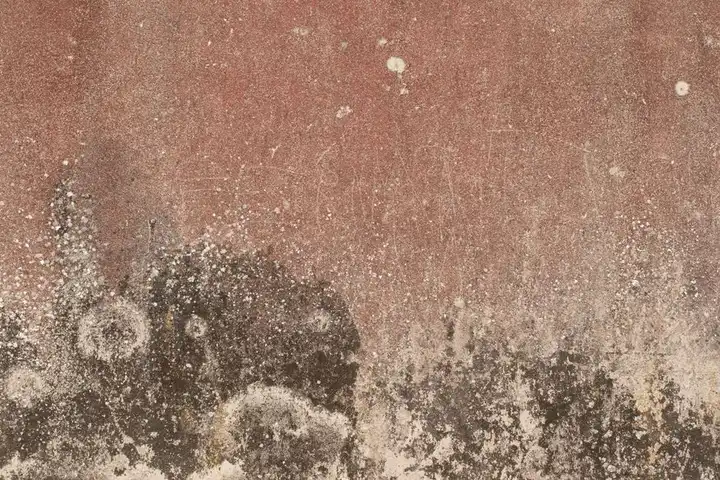
24 Hour Mold Removal in WEST HILLS, California is the emergency service that stops active mold growth, contains the affected area, and physically removes contaminated material before spores spread to the rest of your home. It is not a spray-and-wipe job. Our technicians set negative air machines and plastic sheeting, run HEPA vacuums over every surface, and treat framing with antimicrobial coatings from Fiberlock and Concrobium. Mold needs 24 to 48 hours of moisture to colonize, so the clock starts the moment your supply line, water heater, or roof leak lets water in.
West Hills sits in a hot, dry valley with a marine layer that rolls in overnight, and that combination creates condensation on attic sheathing and crawl space joists even when it has not rained in weeks. We see black mold infestation behind bathroom tile in Warner Center condos, attic mold above Chatsworth-adjacent ranch homes, and water damage mold in basements after every winter storm. If you are searching for emergency mold removal near me WEST HILLS, the sooner we get eyes on it, the less material we have to cut out.
Every 24 Hour Mold Removal in WEST HILLS, California job includes the same core scope: emergency dispatch, moisture mapping, containment, physical removal of contaminated material, antimicrobial treatment, and lab-verified clearance. Add-ons like dry ice blasting, fogging treatment, or encapsulation are quoted separately when the scope calls for them, and you approve every line before we start.
A certified technician arrives with a moisture meter, thermal imaging camera, and borescope camera. We map every wet zone, identify the water source, and give you a verbal read before any work starts.
Plastic sheeting, negative air machines, and HEPA air scrubbers go up before demolition. This keeps spores out of unaffected rooms and out of your HVAC system, which is where cross-contamination usually happens on DIY jobs.
Drywall, insulation, and other porous materials with active growth come out and get bagged. Framing and hard surfaces get HEPA vacuumed, then treated with antimicrobial coatings from Fiberlock or Concrobium.
After physical removal, we apply antimicrobial coatings to framing and use fogging treatment to reach inside wall cavities and ductwork. This step addresses growth that is not visible to the eye.
We collect air samples after treatment and compare them to an outdoor baseline. You get a written lab report showing indoor spore counts at or below outdoor levels, which is the document that protects you at resale.
Moisture readings, thermal images, and photo logs are compiled into a packet formatted for insurance adjusters. We have processed enough California claims to know what carriers want to see.
You call, we ask three questions: where is the water, how long has it been wet, and is anyone in the home with respiratory issues. A crew is dispatched immediately with the right equipment for the described scenario. Most West Hills addresses see a technician on site within 60 to 90 minutes.
We walk the affected area with a moisture meter and thermal imaging camera, then check adjacent rooms, the attic, and the crawl space with a borescope camera. You get a verbal read of what we found before any work starts, plus a written scope with pricing the same visit.
Plastic sheeting goes up, negative air machines pull the space under pressure, and HEPA air scrubbers start filtering. This takes 45 to 60 minutes on a typical bathroom or attic job. From this point forward, nothing leaves the containment zone without going through a HEPA vacuum first.
Contaminated drywall, insulation, and porous materials come out and get bagged. Framing and hard surfaces get HEPA vacuumed, then treated with antimicrobial coatings. For heavy growth on joists and subfloor, we use dry ice blasting mold removal, which strips growth without adding moisture back into the wood.
We run post-remediation mold spore testing, compare indoor counts to an outdoor baseline sample, and hand you the lab report along with a photo log. If counts are still elevated, we re-treat at no additional labor cost. You get clearance in writing before we pack up.
Purpose-built equipment, used by trained technicians — so the job is done accurately the first time.
Reads moisture content in drywall, framing, and subfloor to pinpoint wet zones that look dry on the surface. Every inspection starts here.
Reveals temperature differences behind walls and under flooring, which exposes hidden moisture without tearing anything open.
Slips through a small drilled hole to inspect inside wall cavities and ductwork, so we can confirm growth without unnecessary demolition.
Filters airborne spores and keeps the containment zone under negative pressure so nothing escapes into unaffected rooms.
Removes settled spores from framing, hard surfaces, and ductwork before antimicrobial treatment is applied.
Strips mold from framing and joists without adding moisture back into the wood, which is critical in attics and crawl spaces.
Applies a fine mist of antimicrobial solution to reach inside wall cavities and HVAC ducts where manual cleaning cannot.
A supply line under the kitchen sink let go overnight, soaking the cabinet base, adjacent drywall, and about 40 square feet of subfloor. Visible black mold infestation had started on the cabinet back panel within 48 hours.
We extracted standing water, set containment and air scrubbers, removed affected drywall and cabinet base, and treated framing with antimicrobial coatings. Post-remediation spore testing came back at or below outdoor baseline, and the kitchen was back in service in four days.
A bath fan had been venting directly into the attic for years, and the roof deck showed widespread dark staining across roughly 200 square feet. Insulation was saturated and the musty odor was noticeable in the upstairs hallway.
We removed contaminated insulation and sheathing, used dry ice blasting mold removal on the framing to avoid adding moisture, and treated all surfaces with antimicrobial coatings. Lab results confirmed clearance, and the attic was dry and odor-free within a week.
A winter storm pushed groundwater into the crawl space, and joists and subfloor showed active growth across about 300 square feet. The musty odor was working its way into the living room, and insulation was sagging and wet.
We removed contaminated insulation, treated joists and subfloor with antimicrobial coatings, and installed encapsulation materials over the soil and foundation walls. Post-remediation testing confirmed clearance, and the odor was gone within 48 hours of final treatment.
Most West Hills mold calls trace back to one of a handful of root causes. Here are the ones we see most often, and how we handle each one.
Ask a pro →We remove affected drywall and tile backer, treat framing with antimicrobial coatings, and verify with moisture readings before rebuild. Post-remediation mold spore testing confirms the space is clear.
We remove contaminated sheathing and insulation, treat framing with dry ice blasting mold removal to avoid adding moisture, and document the venting issue so your HVAC contractor can correct it.
We remove contaminated insulation, treat joists and subfloor, and install encapsulation materials to keep future moisture out. Most crawl space jobs finish in two to three days.
We contain the air handler, HEPA vacuum accessible ductwork, and apply fogging treatment to reach surfaces manual cleaning cannot. A licensed HVAC contractor handles component replacement if needed.
Most West Hills jobs run $1,200 to $4,500 in 2026, with small bathroom remediations at the low end and full attic or crawl space jobs at the high end. Cost depends on square footage affected, how much drywall and insulation has to come out, and whether dry ice blasting or fogging treatment is needed. You get a written scope with line-item pricing before any work starts.
Yes. Our phone line is staffed 24 hours a day, and we dispatch crews for emergency mold removal WEST HILLS wide at any hour. Most West Hills addresses see a technician on site within 60 to 90 minutes of the call. Nights, weekends, and holidays are covered the same as weekday afternoons.
Typical response is 60 to 90 minutes to your door, and containment goes up within the first hour after arrival. Mold can colonize in 24 to 48 hours of moisture exposure, so we prioritize active leaks and standing water. If you are searching for same day emergency mold removal WEST HILLS, call (833) 929-5837 and we will give you a real ETA on the phone.
Any active water intrusion combined with visible growth is an emergency, along with musty odors in a closed-up home, mold on HVAC vents, or growth larger than 10 square feet. If anyone in the household has asthma or allergies and symptoms flare indoors, treat it as urgent. When in doubt, call and describe what you see; we will tell you honestly whether it can wait until morning.
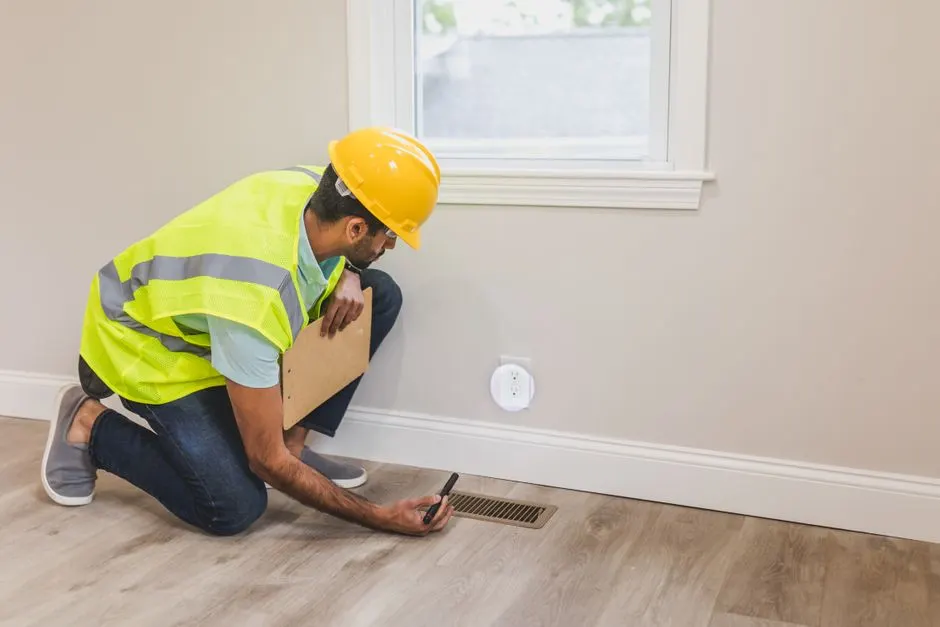 Mold Inspection Near MeA full visual and moisture inspection of the affected area, usually scheduled the same day as your 24 Hour Mold Removal call. We map every wet zone with a moisture meter and thermal imaging camera so the remediation scope is accurate from the start.Explore →
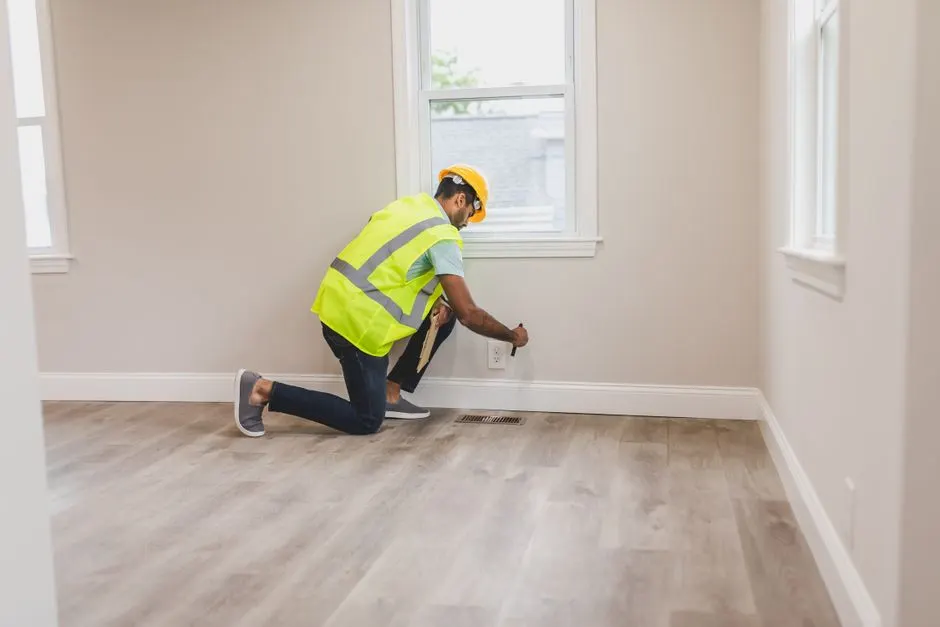 Mold InspectionA structured inspection covering attic, crawl space, bathrooms, and HVAC closets. Pairs with 24 Hour Mold Removal in WEST HILLS by identifying secondary growth areas before we set containment, so nothing gets missed behind a wall.Explore →
 Mold TestingAir and surface sampling sent to a third-party lab. We use mold testing before remediation to confirm species and after remediation to verify clearance, giving you documentation that supports both insurance claims and future resale.Explore →
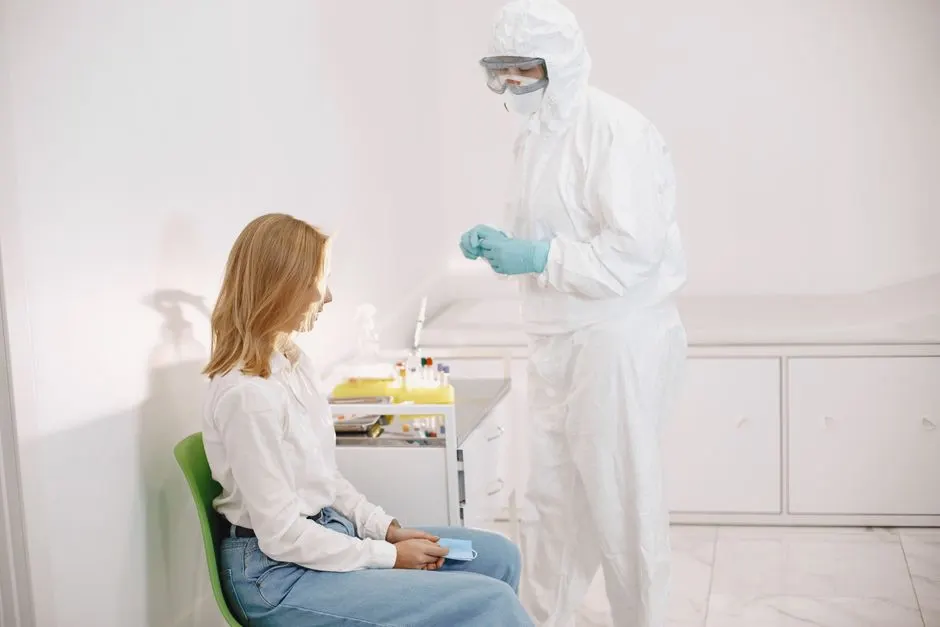 Mold Testing Near MeSame-day air sampling for West Hills homeowners who smell something musty but cannot see growth. Results come back in 24 to 48 hours and tell us whether a full 24 Hour Mold Removal scope is warranted or a targeted treatment will do.Explore →
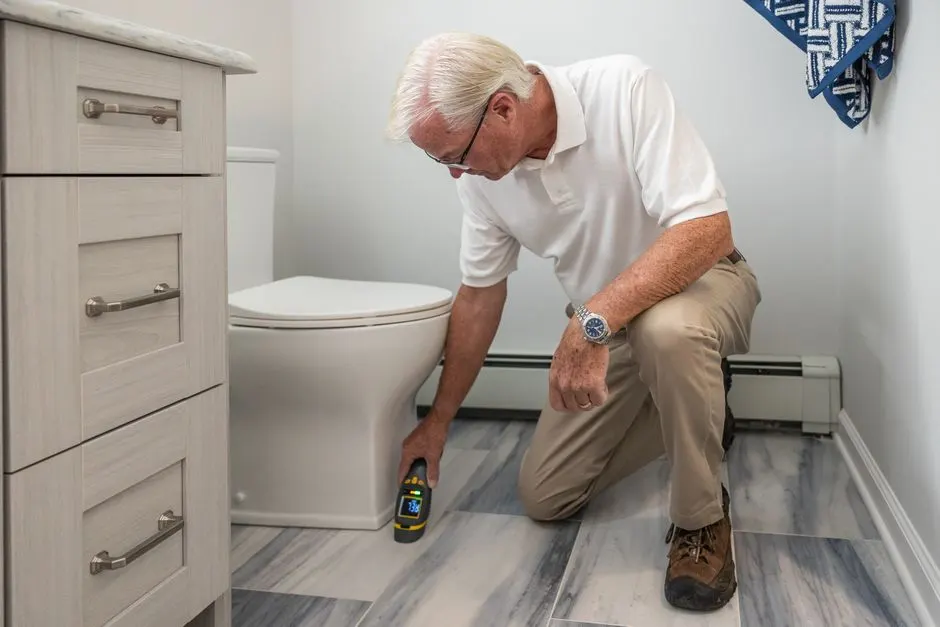 Certified Mold InspectorAn ACAC-certified inspector walks the property and produces a written report with photos, moisture readings, and lab results. This report is the foundation for any 24 Hour Mold Removal scope and is accepted by most California carriers.Explore →
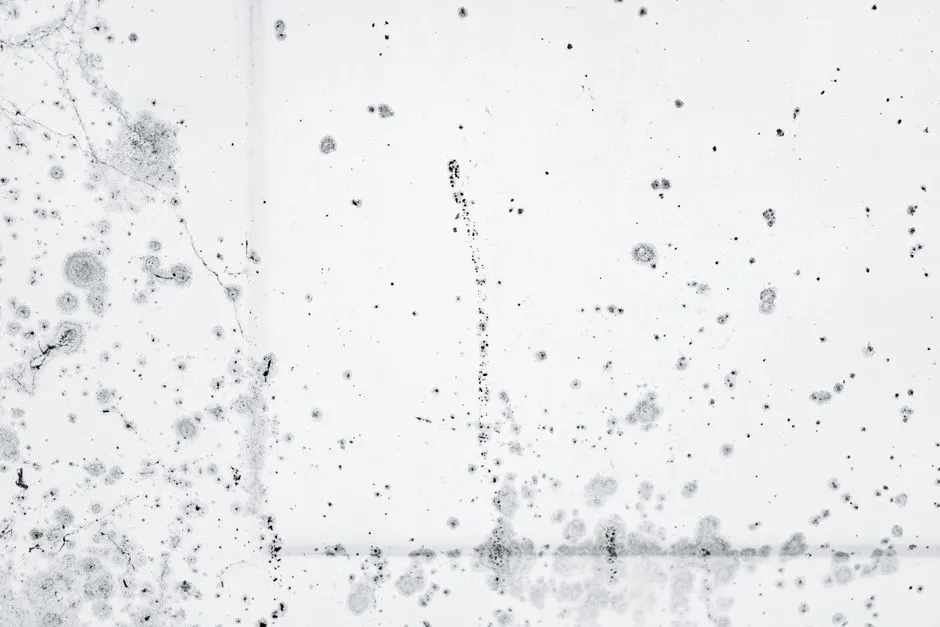 Black Mold InspectionTargeted inspection for Stachybotrys and other toxigenic species. If black mold infestation is confirmed, we move straight into containment and removal, using HEPA filtration and antimicrobial treatment to bring the space back to safe spore levels.Explore →
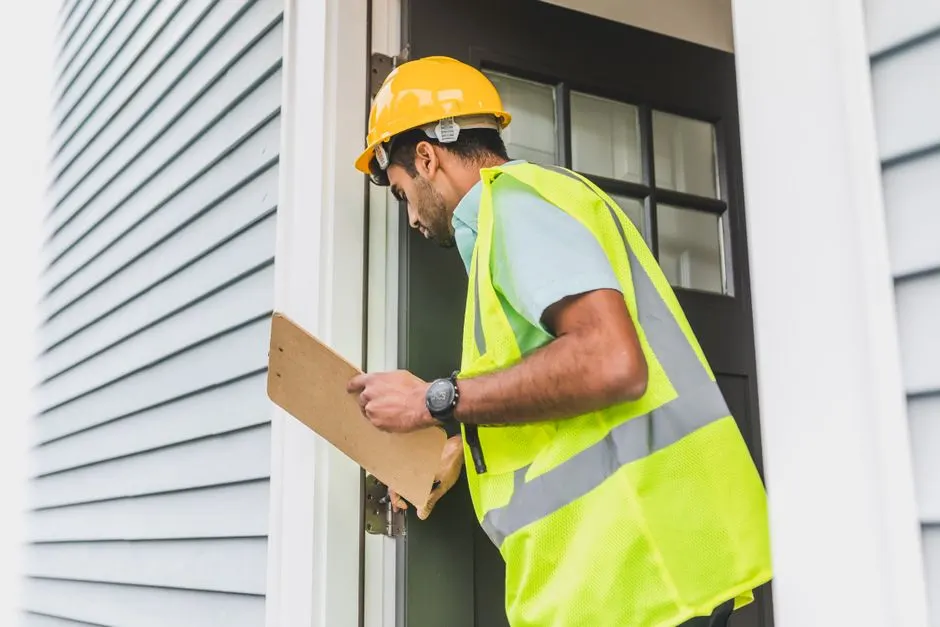 Home Mold InspectionA whole-house inspection covering attic, crawl space, basement, bathrooms, and laundry areas. Ideal before buying a West Hills home or after any water event, and it feeds directly into a same-day 24 Hour Mold Removal scope if growth is found.Explore →
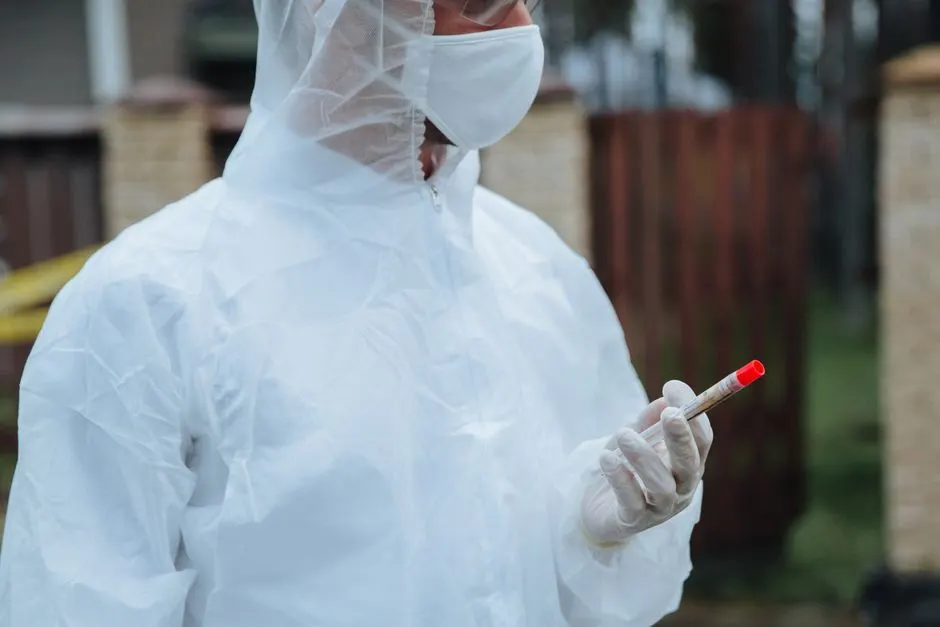 Residential Mold TestingAir and surface sampling designed for single-family homes. We compare indoor spore counts to an outdoor baseline, which is the number that tells you whether your West Hills home needs full remediation or just targeted treatment.Explore →
Our phone line is staffed around the clock, and crews are dispatched with containment equipment already loaded. Call (833) 929-5837 and describe what you are seeing. We will give you a real ETA, a straight answer on urgency, and a written scope before any work starts.
Call Now (833) 929-5837 →Call us at (833) 929-5837 or send an email to schedule your free mold inspection. We answer the phone 24/7 for emergency calls and return non-urgent messages within one business day. Our office is in West Hills, California, and we serve the surrounding communities including Bell Canyon, Hidden Hills, Woodland Hills, Canoga Park, and Northridge.